Disclosure: This post contains affiliate links. If you click a link and make a purchase, we may earn a commission at no extra cost to you. We only recommend products we trust.
When you’re miles from civilization with only what’s in your pack, a quality survival multitool becomes your most valuable companion. These compact powerhouses combine essential tools into a single, pocket-sized package that can help you build shelter, prepare food, make repairs, and handle emergencies. Choosing the right multitool isn’t just about counting features—it’s about understanding which capabilities matter most for your specific outdoor pursuits and ensuring you have reliable tools when you need them most.
Why Your Multitool Choice Matters More Than Ever
The outdoor recreation industry has experienced explosive growth, with participation in camping and hiking activities increasing substantially in recent years. This surge has brought millions of new adventurers into the wilderness, many of whom underestimate the importance of proper gear selection. A quality survival multitool represents the difference between a minor inconvenience and a potentially dangerous situation when equipment fails or unexpected challenges arise in remote locations.
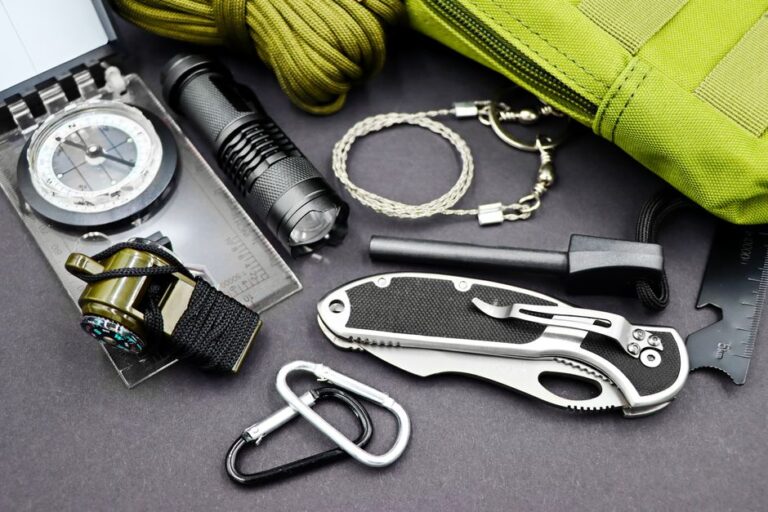
Modern survival multitools have evolved far beyond simple pocket knives with a few attachments. Today’s designs incorporate specialized features like fire starters, emergency whistles, wire strippers, and even glass breakers—tools specifically engineered for wilderness survival scenarios. The market now offers options ranging from lightweight minimalist designs weighing just a few ounces to heavy-duty models packing over twenty functions. This diversity means you can find a tool perfectly matched to your activities, whether you’re a weekend car camper or a serious backcountry explorer pushing into remote terrain.
The stakes of choosing poorly have real consequences. Search and rescue teams consistently report that many outdoor emergencies could have been prevented or mitigated with proper equipment. A multitool that breaks when you need it most, lacks essential functions for your environment, or proves too heavy to actually carry becomes worse than useless—it creates a false sense of security. Conversely, the right multitool becomes an extension of your skillset, enabling you to adapt to changing conditions, perform field repairs, and handle tasks efficiently without carrying multiple separate tools that add weight and bulk to your pack.
Understanding Multitool Design and Core Components
At their foundation, survival multitools follow two primary design philosophies: the traditional Swiss Army knife approach with tools nested inside a handle, or the plier-based design pioneered by companies like Leatherman. Each architecture offers distinct advantages. Swiss Army-style tools typically provide lighter weight and more compact profiles, making them ideal for minimalist packers and those prioritizing portability. Plier-based designs deliver superior grip strength and leverage for heavy-duty tasks like wire cutting, equipment repair, and processing materials, though they generally weigh more and occupy more pocket space.
The core components you should evaluate include the blade quality, plier mechanism if present, and the range of screwdrivers and specialty tools. Blade steel matters significantly—look for stainless steel alloys like 420HC or 154CM that balance corrosion resistance with edge retention. A partially serrated blade offers versatility, with the plain edge handling precision cuts while serrations power through rope, webbing, and fibrous materials. The locking mechanism is equally critical; tools should lock securely when deployed to prevent dangerous blade closures during use, yet release smoothly when you need to switch functions.
Beyond the basics, consider how tool accessibility impacts real-world use. Outside-accessible tools that you can deploy without opening the main body save precious time and allow one-handed operation when your other hand is occupied. This design feature proves invaluable when you’re holding a flashlight, steadying yourself on uneven terrain, or dealing with an injury. The Gerber Suspension-NXT exemplifies this approach with its butterfly opening mechanism and tool lock system, providing quick access to fifteen functions while maintaining secure storage when closed.
Weight distribution and ergonomics separate exceptional multitools from merely adequate ones. A tool might pack impressive features, but if it’s uncomfortable to grip during extended use or creates hot spots in your hand, you’ll avoid using it when tasks demand sustained effort. Look for contoured handles, textured grip surfaces, and balanced weight distribution that keeps the tool stable in your hand. The best designs consider how you’ll actually hold the tool during common tasks—whether you’re applying torque to a stubborn screw, making controlled cuts, or gripping with pliers—and shape the handle accordingly to reduce hand fatigue and improve control.
Essential Features and Specialized Capabilities
For serious wilderness use, certain specialized features elevate a multitool from general-purpose to survival-specific. The Leatherman Signal demonstrates this evolution perfectly, incorporating a built-in ferro rod fire starter, emergency whistle, and hammer—tools specifically chosen for backcountry scenarios. The fire starter alone justifies its inclusion; while matches and lighters can fail when wet or at altitude, a ferro rod works in any weather condition and provides thousands of strikes. Having this capability integrated into your multitool means one less item to track and one more backup fire-starting method in your kit.
Wire cutting and stripping capabilities often get overlooked by casual users but prove essential for equipment repair and improvisation. Modern outdoor gear relies heavily on cables and wires—from tent poles to backpack frames to electronic devices. When a cable frays or a connection fails miles from the trailhead, the ability to strip wire ends and create new connections can save your trip. Quality wire cutters should handle both soft copper wire and harder steel varieties without dulling or damaging the cutting edges, while wire strippers need precisely sized notches to remove insulation without nicking the conductor.
Consider a real-world scenario: you’re three days into a week-long trek when your tent’s shock cord snaps during a windstorm. With a comprehensive multitool, you can use the awl to create new holes in fabric if needed, the scissors to trim frayed cord ends cleanly, the pliers to grip and thread new cord through tight channels, and the knife to cut the cord to length. Without these capabilities, you’re either sleeping under the stars in potentially dangerous weather or cutting your trip short. This is why experienced outdoorspeople often carry tools like the Leatherman Signal—not for everyday convenience, but for the critical moments when improvisation becomes necessary.
Specialized outdoor tools like can openers, bottle openers, and package openers might seem mundane, but they prevent the common mistake of using your primary blade for tasks that can damage the edge. The Leatherman Rev includes a dedicated package opener that safely slices through plastic packaging and tape without risking your knife blade. Similarly, a proper can opener saves your blade from the dulling, chipping abuse of prying open canned goods. These seemingly minor features preserve your critical tools for the tasks they’re designed to handle, extending the overall lifespan and reliability of your multitool.
Common Pitfalls and How to Avoid Them
The most frequent mistake buyers make is prioritizing tool count over tool quality and relevance. A multitool advertising thirty functions sounds impressive until you realize that twenty of those tools are variations you’ll never use, while the core functions you need daily are poorly executed. This “feature bloat” adds weight and complexity without delivering practical value. Instead, focus on identifying the eight to twelve tools you’ll actually use in your specific outdoor activities, then find a multitool that executes those functions exceptionally well. A fifteen-function tool where every component is robust and useful vastly outperforms a thirty-function tool where half the features are flimsy afterthoughts.
Another critical error involves neglecting maintenance and care, particularly regarding corrosion prevention. Even stainless steel tools require periodic cleaning and lubrication, especially after exposure to saltwater, mud, or extended moisture. Failing to maintain your multitool leads to stiff pivots, rust spots, and eventually tool failure at the worst possible moment. Establish a simple maintenance routine: rinse your tool after each trip, dry it thoroughly, apply a drop of mineral oil to pivot points, and check locking mechanisms for proper function. This five-minute investment after each adventure ensures your tool remains reliable for years.
Weight considerations create a dangerous trap for inexperienced users. In an effort to save ounces, some adventurers choose ultralight multitools that sacrifice durability and capability. While weight matters for long-distance backpacking, choosing a tool that’s too light for your needs means it won’t perform when you need it most. A better approach involves honestly assessing your skill level and trip difficulty. Weekend camping trips near established trails can accommodate lighter tools, while remote backcountry expeditions demand more robust options. The few extra ounces of a quality tool like the Gerber Suspension-NXT become insignificant when that tool enables critical repairs or helps you handle an emergency.
Selecting and Integrating Your Survival Multitool
Begin your selection process by creating a realistic inventory of tasks you perform during outdoor activities. Spend time reviewing your last several trips and noting every moment you needed a tool—whether you had one available or not. Did you need to tighten loose screws on your camp stove? Cut cordage for a bear bag? Open packages of freeze-dried meals? Repair a broken pack buckle? This task inventory reveals your actual needs rather than hypothetical scenarios, guiding you toward a tool with the right feature set. For most users, this analysis reveals that pliers, a quality blade, screwdrivers in multiple sizes, and scissors handle the vast majority of real-world situations.
Once you’ve identified your requirements, establish a realistic budget that balances quality with affordability. Entry-level multitools in the thirty to fifty dollar range, like the Leatherman Rev, offer excellent value for beginners and casual users, providing reliable core functions without premium features. Mid-range options between seventy and one hundred fifty dollars deliver enhanced durability, specialized outdoor features, and better materials. Premium tools exceeding one hundred fifty dollars, such as the Leatherman Signal, justify their cost through superior engineering, specialized survival features, and exceptional build quality backed by comprehensive warranties. Your budget should reflect both your frequency of use and the remoteness of your adventures—occasional car campers can succeed with budget options, while serious backcountry travelers should invest in premium reliability.
After purchasing your multitool, invest time in familiarization before your next trip. Practice deploying each tool, understand the locking mechanisms, and perform common tasks in your backyard or garage. This hands-on experience builds muscle memory and reveals any quirks or limitations before you’re depending on the tool in challenging conditions. Try cutting different materials, driving various screw types, and using the pliers under different angles and pressures. This practice session also helps you identify any sharp edges or uncomfortable grip points that might need attention, allowing you to add grip tape or make minor modifications before heading into the wilderness. The goal is making your multitool feel like a natural extension of your hands rather than an unfamiliar gadget you’re figuring out under pressure.
Frequently Asked Questions
What’s the difference between a survival multitool and a regular multitool?
Survival multitools include specialized features for wilderness emergencies like fire starters, emergency whistles, glass breakers, and more robust construction designed for harsh conditions. Regular multitools focus on everyday tasks like package opening and basic repairs. Survival-specific tools prioritize reliability and functionality in remote settings where tool failure could create dangerous situations.
How many tools should a good survival multitool have?
Quality matters more than quantity. A well-designed survival multitool typically includes 12-20 functions covering essential categories: cutting tools, pliers, screwdrivers, fire starting, and emergency signaling. Tools with 30+ functions often include redundant or low-quality components that add weight without practical value. Focus on finding tools where each function is robust and genuinely useful for your specific outdoor activities.
Are expensive multitools worth the investment for beginners?
Beginners can start with quality mid-range options in the forty to seventy dollar range that provide reliable core functions and decent durability. As you gain experience and understand your specific needs, you can upgrade to premium tools with specialized features. However, avoid ultra-budget options under twenty-five dollars, as these often feature poor steel quality and weak mechanisms that fail when you need them most.
How do I maintain my survival multitool?
After each trip, rinse your multitool with clean water to remove dirt and debris, then dry it thoroughly. Apply a drop of mineral oil or specialized tool lubricant to pivot points and moving parts. Check locking mechanisms for proper function and inspect blades for damage or dullness. Store your tool in a dry location, and sharpen blades as needed using appropriate sharpening tools for the steel type.
Can I bring a multitool on a plane?
Multitools with blades longer than 2.5 inches or any blade at all are prohibited in carry-on luggage by TSA regulations. You must pack them in checked baggage. Some manufacturers offer TSA-compliant multitools without blades specifically for travelers, though these sacrifice the most essential survival function. For air travel to outdoor destinations, plan to check your bag or purchase a compliant tool at your destination.
What’s the most important feature in a survival multitool?
A high-quality, lockable blade is the single most critical feature, as it handles the widest range of survival tasks from food preparation to shelter building. Beyond that, needle-nose pliers provide versatility for repairs and material manipulation. Fire-starting capability ranks third for true survival situations. These three features form the foundation—other tools add convenience but these three can genuinely save your life in emergencies.
Selecting the right survival multitool transforms how you experience the outdoors, providing confidence and capability to handle whatever challenges nature presents. The best tool for you balances essential functions with portability, matches your skill level and adventure style, and delivers reliable performance when conditions turn difficult. Whether you choose a specialized survival-focused design like the Leatherman Signal with its integrated fire starter and emergency whistle, a versatile workhorse like the Gerber Suspension-NXT with its comprehensive fifteen-function toolkit, or a streamlined option like the Leatherman Rev for lighter adventures, the key is selecting a tool you’ll actually carry and know how to use effectively. Your multitool should feel like a trusted companion rather than dead weight in your pack—a piece of gear you reach for instinctively because you’ve practiced with it and trust its capabilities, making it an essential component of your EDC survival kit and broader wilderness survival kit. When assembling your complete survival gear kit, invest in quality, maintain your tool properly, and take time to master its functions before you need them in critical situations.
Ready to find your perfect survival companion? Explore our detailed reviews and comparisons of the top-rated survival multitools, complete with real-world testing results and expert recommendations tailored to your specific outdoor pursuits. Don’t head into the wilderness unprepared—equip yourself with the knowledge and tools to handle any situation confidently.
Recommended Products
Here are our top picks mentioned in this article:
