Disclosure: This post contains affiliate links. If you click a link and make a purchase, we may earn a commission at no extra cost to you. We only recommend products we trust.
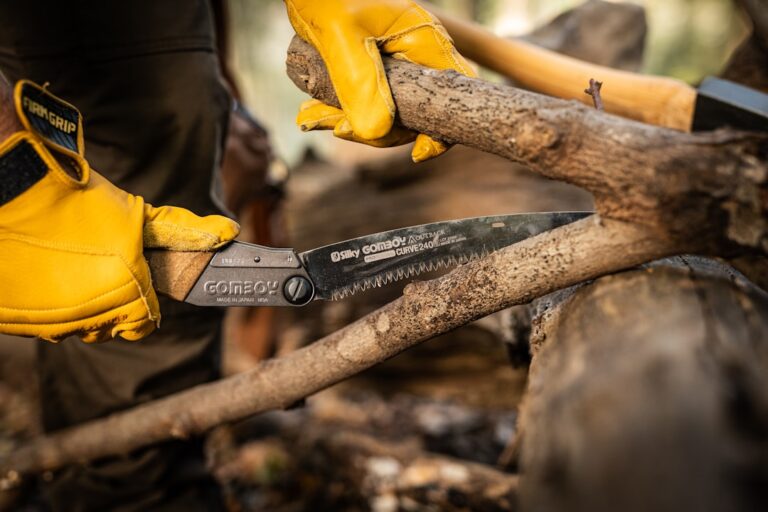
When you’re miles from civilization and need to process firewood or clear a trail, your folding saw becomes one of the most critical tools in your pack. The market offers everything from fifteen-dollar budget options to premium professional-grade saws costing five times that amount, but understanding which features justify the price difference can mean the distinction between a reliable tool and a frustrating experience. This comprehensive guide breaks down the real-world performance differences between professional and budget heavy duty folding saws, helping you make an informed decision based on your actual needs rather than marketing claims.
Why Your Folding Saw Choice Matters More Than Ever
The outdoor recreation market has experienced unprecedented growth in recent years, with camping and backpacking participation reaching record levels. This surge has flooded the market with folding saw options ranging from ultra-budget imports to precision-engineered professional tools, making the selection process increasingly complex. The stakes are higher than many realize because a failing saw in the backcountry doesn’t just mean inconvenience, it can compromise your ability to build shelter, process firewood in cold conditions, or clear emergency access routes when weather turns dangerous.
Professional outdoor guides and wilderness instructors report that saw-related failures rank among the top three gear issues they encounter with clients, often stemming from purchasing inadequate tools for demanding conditions. The price gap between budget and professional folding saws typically ranges from eighteen dollars to seventy-five dollars or more, representing a significant investment decision for many outdoor enthusiasts. However, field testing consistently demonstrates that this price difference reflects fundamental variations in blade metallurgy, tooth geometry, frame durability, and long-term reliability rather than just brand markup.
Understanding the true performance differences becomes critical when you consider that most campers and backpackers use their folding saws in conditions that push tools to their limits. Processing green hardwood for campfire fuel, cutting through resinous pine in freezing temperatures, or sawing bone-dry deadfall all place distinct demands on blade design and material quality. Budget saws often perform adequately in ideal conditions with soft woods and occasional use, but professional-grade tools maintain consistent cutting performance across diverse wood types, weather conditions, and extended use scenarios that define serious outdoor pursuits.
Understanding Folding Saw Construction and Performance Factors
The foundation of any folding saw’s performance begins with blade metallurgy, where professional and budget options diverge significantly. Professional saws typically utilize high-carbon steel alloys like SK-5 or specialized tool steels that undergo precise heat treatment processes to achieve optimal hardness ratings between 55-60 HRC on the Rockwell scale. This hardness level allows teeth to maintain sharp cutting edges through thousands of strokes while resisting deformation when encountering knots or dense grain patterns. Budget saws often use lower-grade carbon steel or inadequately heat-treated materials that may feel sharp initially but lose their edge rapidly under field conditions, requiring frequent sharpening or replacement.
Tooth geometry represents another critical distinction that directly impacts cutting efficiency and user fatigue. Professional folding saws employ sophisticated tooth patterns designed through extensive testing, with features like impulse-hardened cutting edges, precision-ground gullets for efficient chip removal, and carefully calculated tooth pitch that balances cutting speed with control. The REXBETI folding saw demonstrates this principle with its aggressive seven teeth per inch staggered pattern optimized for branches up to seven inches in diameter, providing strong cutting performance for camping and survival applications. Budget alternatives often feature simpler tooth designs with inconsistent spacing and shallower gullets that clog with sawdust, dramatically reducing cutting efficiency and requiring more physical effort to achieve the same results.
Frame construction and locking mechanisms separate reliable tools from potential safety hazards in demanding field use. Professional-grade saws incorporate reinforced pivot points, often with multiple bearing surfaces or bushings that distribute stress across larger areas and prevent the blade wobble that plagues cheaper designs. The Gerber Freescape exemplifies advanced engineering with its four-pivot-point system that maximizes blade length while maintaining rigidity, allowing efficient cutting of larger diameter wood without the frame flex that causes binding and uneven cuts. Budget saws typically rely on single-pivot designs with minimal reinforcement, leading to progressive loosening over time and potentially dangerous blade movement during aggressive cutting strokes.
Blade length and cutting capacity create practical limitations that users must understand when comparing options. Professional saws commonly offer blade lengths from seven to twelve inches or more, with some bow saw designs extending to twenty-one inches or beyond for processing larger timber. The Bahco Laplander’s seven and a half inch blade with XT toothing provides an excellent balance of portability and cutting capacity for most camping scenarios, while remaining compact enough for backpacking applications. Longer blades cut faster and handle larger diameter wood but add weight and bulk to your pack, requiring careful consideration of your typical use cases and the wood processing demands you’ll actually encounter in your preferred outdoor environments.
Performance Testing Methods and Real-World Applications
Evaluating folding saw performance requires systematic testing across multiple wood types and cutting scenarios that mirror actual field conditions. Professional outdoor equipment testers use standardized protocols that measure cutting speed through green hardwood, dry softwood, and seasoned hardwood samples of consistent diameter, typically ranging from three to six inches. These tests reveal that professional saws often complete cuts in thirty to fifty percent less time than budget alternatives when processing the same material, translating directly to reduced physical fatigue and faster camp setup or firewood processing in real-world situations.
Tooth retention testing provides crucial insights into long-term value and reliability that initial purchase price doesn’t reflect. Professional saw blades maintain sharp cutting edges through hundreds of cuts, with some high-end options remaining effective for thousands of strokes before requiring sharpening. Budget saw teeth often show measurable dulling after just fifty to one hundred cuts through typical camping woods, with some losing their edge so rapidly that they become nearly unusable within a single extended camping trip. This performance degradation means that a budget saw purchased for eighteen dollars might require replacement two or three times during the lifespan of a single professional saw, ultimately costing more while providing inferior performance throughout its shortened service life.
Consider a practical scenario that illustrates these differences clearly: you’re establishing a winter camp in sub-freezing conditions and need to process enough firewood for overnight warmth and cooking. A professional-grade folding saw with properly hardened teeth and efficient tooth geometry allows you to cut through frozen wood with consistent, predictable strokes, completing the task in perhaps thirty minutes of focused work. The same job with a budget saw whose teeth have already dulled from previous use might require forty-five minutes to an hour of significantly harder physical effort, leaving you fatigued before you’ve even started other camp tasks and potentially exposing you to cold-related risks from extended exertion in freezing temperatures.
Specialized cutting techniques also benefit from professional-grade tool characteristics in ways that become apparent only through extended field use. Techniques like notch cutting for shelter construction, precision limb removal for trail clearing, or controlled sectioning of larger logs all demand consistent blade performance and predictable cutting behavior. Professional saws maintain their cutting angle and resist binding even when you’re working at awkward positions or applying uneven pressure, while budget alternatives often require constant attention to blade alignment and cutting technique to avoid jamming or dangerous kickback situations that can lead to injury in remote locations.
Common Pitfalls and Safety Considerations
The most prevalent mistake outdoor enthusiasts make involves underestimating their actual saw usage intensity and purchasing inadequate tools based solely on initial cost savings. Weekend car campers who process minimal firewood and primarily cut softwoods might genuinely find budget saws adequate for their needs, but backpackers, hunters, and serious bushcraft practitioners who depend on their saws for essential camp functions quickly discover the limitations of economy options. A comprehensive pre-purchase checklist should include honest assessment of your typical wood processing volume, the hardness of woods in your region, frequency of saw use throughout the season, and whether your activities place you in situations where tool failure creates genuine safety concerns rather than mere inconvenience.
Blade maintenance represents another critical area where users of both professional and budget saws frequently fall short, though the consequences differ significantly between tool categories. Professional saw blades with proper metallurgy can tolerate some neglect and still perform adequately, but budget blades require meticulous care to extend their already limited service life. Field reports from wilderness medicine professionals document multiple cases where dull or damaged saws contributed to injuries when users applied excessive force to compensate for poor cutting performance, resulting in loss of control and lacerations requiring evacuation and medical treatment. These incidents underscore that the true cost of budget tools extends beyond purchase price to include potential medical expenses and trip disruption from preventable accidents.
A cautionary example from a wilderness guide service illustrates these risks clearly: during a week-long backcountry trip, a participant’s budget folding saw failed catastrophically when the blade snapped while cutting through a four-inch diameter log, sending metal fragments toward nearby group members and leaving the team without adequate wood processing capability. The guide’s professional backup saw completed the trip without issue, but the incident required evacuation of one participant with a minor laceration and highlighted how tool failure in remote settings creates cascading problems that affect entire groups. Professional guides now commonly specify minimum tool standards for participants, effectively requiring professional-grade equipment for extended wilderness trips where equipment reliability directly impacts group safety and trip success.
Choosing and Integrating the Right Saw Into Your Kit
Your folding saw selection process should begin with a realistic assessment of your outdoor activity patterns over the next two to three seasons rather than focusing solely on immediate needs. Quick wins include identifying your most common wood processing tasks, measuring the typical diameter of materials you cut, and determining whether you prioritize packability over maximum cutting capacity. These immediate considerations help narrow your options to saws with appropriate blade length and tooth configuration, eliminating models that either exceed your requirements or fall short of your actual needs. Long-term strategic thinking involves projecting how your skills and activities might evolve, considering whether you’ll progress from casual camping to more demanding backcountry pursuits that justify investing in professional-grade tools from the outset.
Budget-conscious buyers who genuinely need only basic capability for occasional use can find adequate performance in the eighteen to twenty-five dollar range, with options like the REXBETI folding saw offering solid construction and SK-5 steel blades that handle typical camping scenarios effectively.
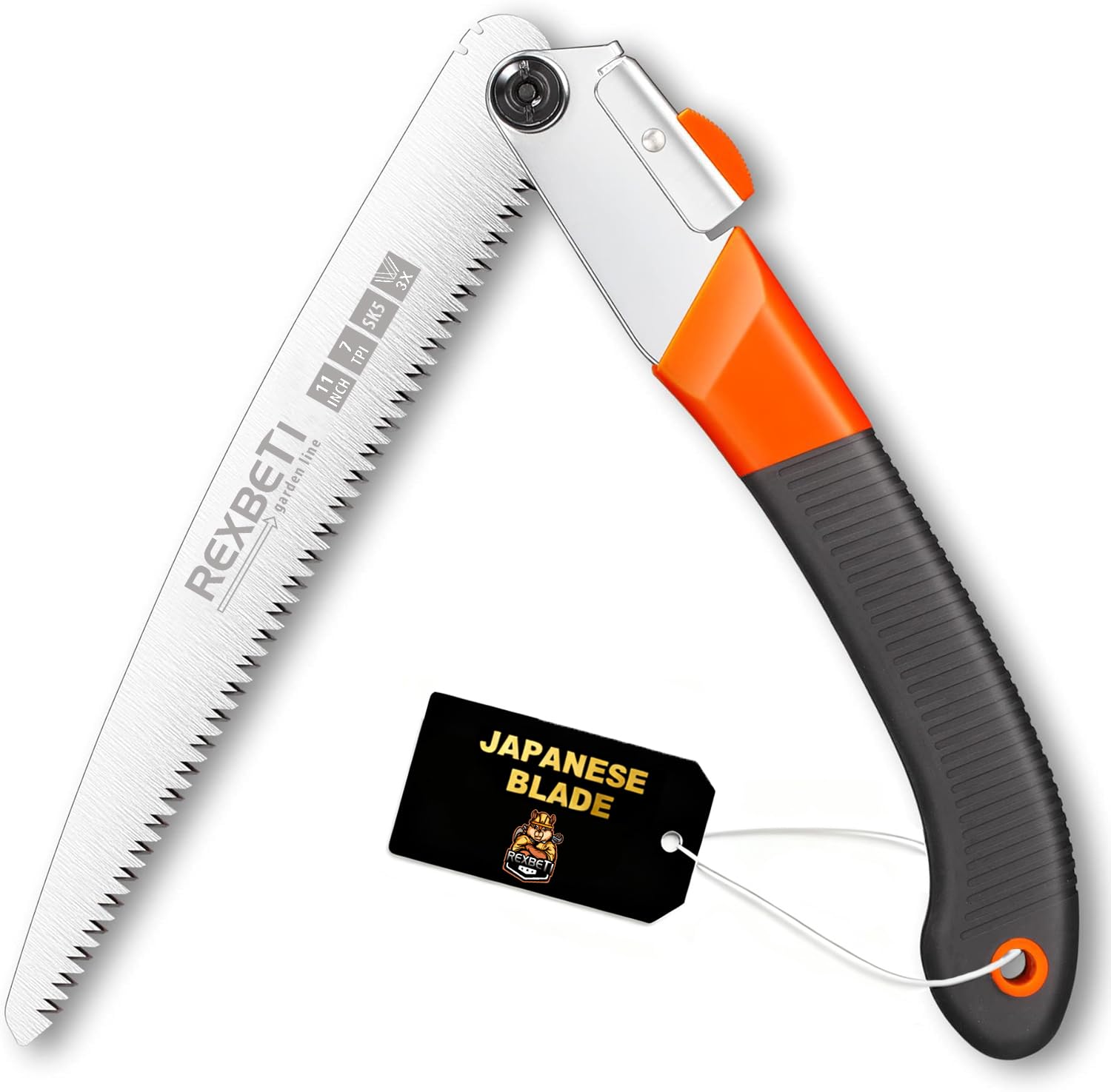
REXBETI Folding Saw, Heavy Duty 11 Inch Extra Long Blade Hand Saws for Wood Camping, Dry Wood Pruning Saws With Hard Teeth, Quality SK-5 Steel, Gifts for men
High Cutting Power for 6–7 Inch Branches with SK-5 Steel Blade——SK-5 steel blade with aggressive 7 TPI staggered teeth delivers strong cutting performance for green wood, branches, and general yard work, allowing efficient cutting of branches up to 6–7 inch diameter, making it highly effective for camping, survival, bushcraft, and landscaping tasks where fast and controlled wood cutting is required. • Optimized Sharpness and Sawing Performance for Wood Cutting Tasks——Aggressive staggered tooth geometry combined with SK-5 steel construction provides effective cutting performance for green wood, branches, firewood, and outdoor materials, helping reduce cutting resistance and supporting efficient sawing in outdoor use scenarios. • Lightweight Folding Design for Backpacking, Camping, and Survival Kits——Lightweight and compact folding structure makes this saw easy to carry in backpacks and survival bags, providing strong portability for camping, hiking, bushcraft, and emergency outdoor use, while maintaining full cutting capability without adding unnecessary weight.
This price point provides legitimate value for weekend warriors who camp a few times per season and primarily process softwoods or smaller diameter materials. However, anyone planning regular backcountry trips, winter camping, or activities requiring reliable wood processing should view the seventy to eighty dollar investment in professional-grade tools like the Gerber Freescape as essential safety equipment rather than optional luxury, comparable to investing in quality sleeping bags or reliable water filtration rather than accepting cheaper alternatives that might fail when you need them most.
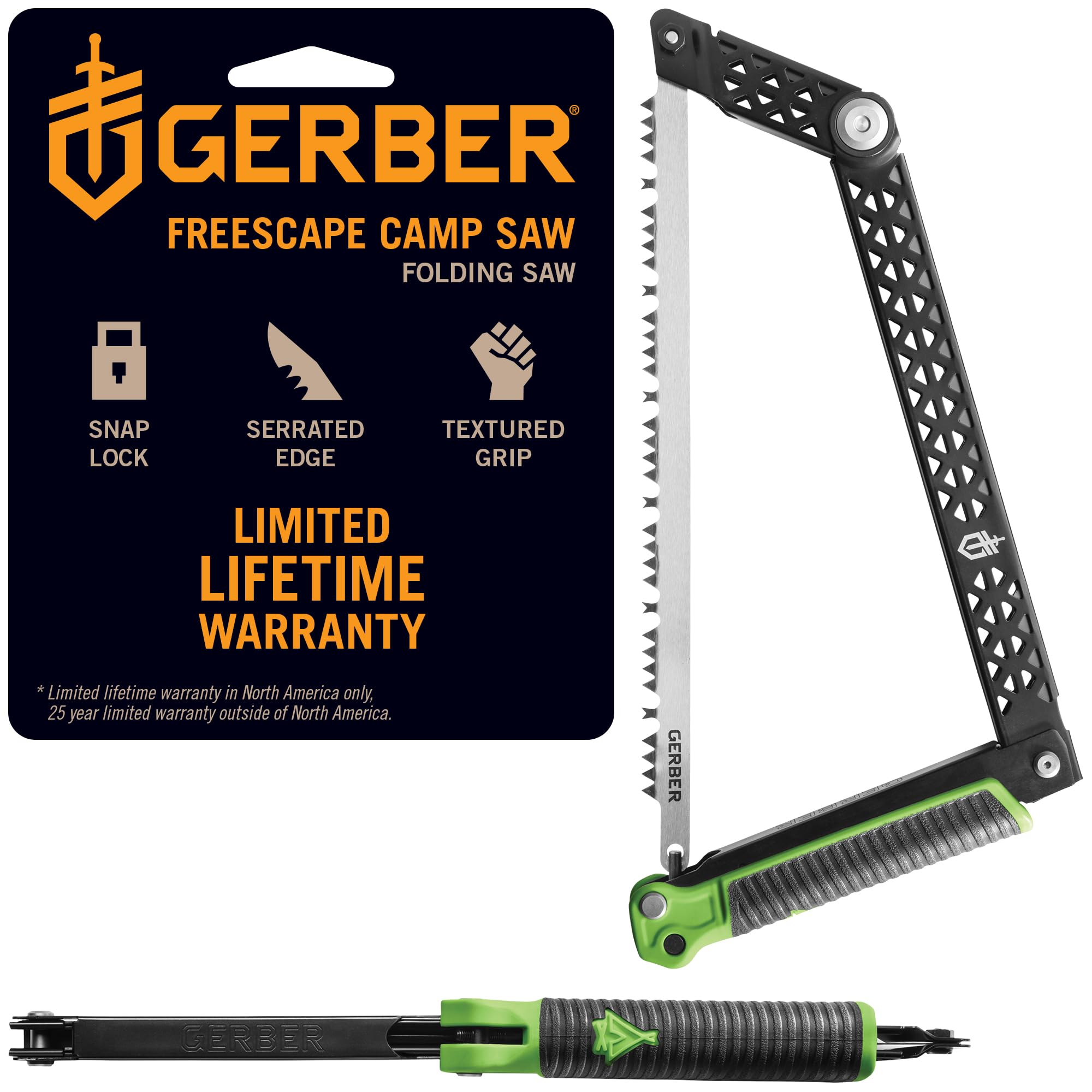
Gerber Freescape Camp Saw Folding Hand Saw for Backpacking Hiking Camping Pruning and Bushcraft, 12″ Blade
INNOVATIVE FOLDING DESIGN: Folds completely flat while staying assembled, preventing loss of parts and ensuring easy transport • EFFICIENT CUTTING: Utilizes 4 pivot points to maximize the blade’s length for cutting larger diameter wood • BRIGHT ACCENT COLORS: Features bright green accents for easy identification among camp gear
Implementation timeline for serious outdoor enthusiasts should prioritize acquiring a professional-grade folding saw within the first season of regular activity, treating it as foundational equipment alongside navigation tools, shelter, and fire-starting capability. The middle ground option represented by saws like the Bahco Laplander at twenty-five dollars offers an excellent entry point for those building their kit progressively, providing professional-level blade quality and tooth geometry in a compact package that serves most camping and backpacking needs effectively.

Bahco BAH396LAP 7-1/2″ Laplander Folding Saw for Trail Maintenance, Wood Processing, and Survival Use, Rust-Protected Blade, Secure Lock, Ergonomic Grip, Ideal Bushcraft and Camping Tool
No Fabric • READY FOR ANY CUT: Built for hunters, campers, and survivalists, this folding saw tackles green/dry wood, bone, and plastic. Its rust-protected blade and ergonomic handle make it a must-have for bushcraft, trail maintenance, and campsite prep. • PRECISION XT TOOTHING: The 7-1/2″ blade features XT toothing with 7 TPI for fast, clean cuts through wood and brush. A rust-resistant, low-friction coating boosts performance and longevity – ideal for wilderness work, trail clearing, or quick campsite setups.
This approach allows you to develop proper sawing technique with a reliable tool while deferring the investment in larger, more specialized saws until your activities specifically require that additional capability, creating a logical progression that matches tool acquisition to skill development and activity evolution.
Frequently Asked Questions
How long should a quality folding saw blade last with regular camping use?
Professional-grade folding saw blades with proper heat-treated steel typically maintain effective cutting performance through several seasons of regular camping use, often handling hundreds of cuts before requiring sharpening. Budget saw blades may show significant dulling after just one or two extended camping trips. Actual lifespan depends heavily on wood types cut, proper technique, and maintenance practices like cleaning resin buildup and storing the saw dry.
Can I sharpen folding saw blades myself or do they require professional service?
Most folding saw blades can be sharpened at home using specialized saw files matched to the tooth size and pattern, though the process requires patience and proper technique to maintain correct tooth geometry. Professional sharpening services typically cost fifteen to twenty-five dollars and ensure optimal results, often worthwhile for premium saws. Some budget saws use hardened teeth that resist sharpening or have such thin blades that sharpening removes too much material, making replacement more practical than sharpening.
What blade length do I actually need for typical camping and backpacking scenarios?
Most campers and backpackers find seven to ten inch blades provide the best balance of cutting capacity and packability for typical firewood processing and camp tasks. Blades in this range handle wood up to five or six inches in diameter efficiently, covering the vast majority of camping scenarios. Longer blades excel for processing larger timber or clearing substantial deadfall but add weight and bulk that may not justify their capacity for casual use.
Are folding bow saws worth the extra bulk compared to straight folding saws?
Folding bow saws with blades extending to twenty-one inches or more excel at processing larger diameter wood and cutting significantly faster than straight folding saws, making them ideal for base camping or situations requiring substantial wood processing. However, they occupy considerably more pack space and weigh more than compact straight saws, making them less suitable for lightweight backpacking. The choice depends on your typical wood processing volume and whether you’re willing to carry the extra weight for increased cutting efficiency.
Do professional-grade folding saws really cut faster than budget options?
Field testing consistently demonstrates that professional folding saws with optimized tooth geometry and proper blade metallurgy complete cuts thirty to fifty percent faster than budget alternatives when processing the same wood. This speed difference results from sharper teeth that maintain their edge longer, more efficient chip removal from properly designed gullets, and blade rigidity that prevents energy-wasting flex during cutting strokes. The time savings become especially significant when processing multiple pieces of firewood or working in cold conditions where extended physical exertion increases fatigue and cold exposure risks.
What’s the most important feature to prioritize when choosing between folding saw options?
Blade steel quality and heat treatment represent the single most critical factor determining long-term performance and value, as these characteristics directly control how long teeth maintain sharp cutting edges and resist damage from knots or hard grain. A well-heat-treated blade from quality steel will outperform a poorly treated blade regardless of other features. After blade quality, tooth geometry and frame rigidity most significantly impact cutting efficiency and user experience, while features like handle comfort and locking mechanisms, though important for safety, matter less if the blade itself cannot maintain effective cutting performance.
Selecting between professional and budget heavy duty folding saws ultimately comes down to honest assessment of your outdoor activities, wood processing demands, and the consequences of tool failure in your typical environments. Budget options serve casual campers adequately for occasional use with softer woods, but anyone venturing into serious backcountry pursuits or depending on their saw for essential camp functions should view professional-grade tools as fundamental safety equipment rather than luxury upgrades. The performance differences in cutting speed, edge retention, and long-term reliability justify the higher initial investment for users who demand consistent performance across diverse conditions and extended service life that actually reduces total cost of ownership over multiple seasons.
Ready to upgrade your camping kit with a folding saw that won’t let you down when it matters most? Explore our detailed reviews and recommendations to find the perfect balance of performance, portability, and value for your outdoor adventures, and learn the proper techniques that maximize your saw’s effectiveness and lifespan in the field.