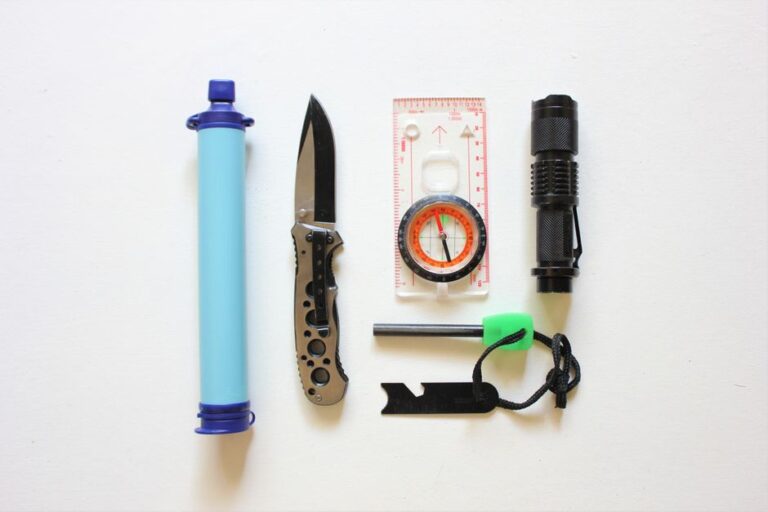
Disclosure: This post contains affiliate links. If you click a link and make a purchase, we may earn a commission at no extra cost to you. We only recommend products we trust.
Your bushcraft knife serves as the cornerstone of wilderness self-reliance, but it’s only one component of a complete tool kit that separates confident outdoor practitioners from unprepared adventurers. Understanding which tools belong in your kit and how they work together transforms your ability to thrive in natural environments, whether you’re building shelter, processing firewood, or preparing wild game. The right combination of cutting tools, fire-starting equipment, and complementary gear creates a synergistic system that multiplies your capabilities far beyond what any single tool can achieve.
Why Your Bushcraft Tool Selection Matters More Than Ever
The outdoor recreation industry has experienced unprecedented growth, with wilderness skills training and bushcraft courses seeing enrollment increases that reflect a fundamental shift in how people approach outdoor preparedness. This surge isn’t just about hobby interest—it represents a growing recognition that self-reliance skills provide both practical emergency capabilities and deeper connection to natural environments. Modern bushcraft practitioners face an overwhelming marketplace filled with gear options, making informed tool selection more critical than ever for both safety and skill development.
The quality gap between budget and premium bushcraft tools has narrowed significantly in recent years, yet the difference in field performance remains substantial when you’re miles from civilization. A properly selected bushcraft knife with the right blade geometry, steel composition, and tang construction can perform thousands of cuts without failure, while an inferior blade might chip, bend, or break during critical tasks like batoning firewood or carving trap components. Recent field testing data shows that full-tang fixed-blade knives with blade lengths between five and six inches offer the optimal balance of versatility and control for the widest range of bushcraft applications, from fine featherstick carving to heavy-duty wood processing.
The stakes extend beyond equipment failure to encompass skill development itself—learning proper techniques with inappropriate tools creates muscle memory and habits that don’t transfer to quality gear and may even compromise your safety. When you practice fire-starting with a knife that can’t strike a ferro rod effectively or attempt shelter construction with a blade that won’t hold an edge through repetitive cutting, you’re building a foundation on unreliable methods. Your tool kit represents an investment in capabilities that compound over time, with each wilderness outing refining your proficiency and expanding your confidence in handling unexpected situations that demand immediate, effective action.
Understanding Bushcraft Knife Fundamentals and Tool Synergy
The anatomy of an effective bushcraft knife begins with blade geometry—specifically, the Scandinavian grind that defines traditional bushcraft design. This grind features a single bevel that extends from the spine to the edge, creating an exceptionally sharp cutting surface that’s remarkably easy to maintain in field conditions. Unlike compound grinds that require multiple sharpening angles, the scandi grind lets you lay the bevel flat against a sharpening stone and maintain consistent contact throughout the stroke, making it possible to restore a razor edge using nothing more than a flat rock and proper technique. The simplicity of this design isn’t a limitation but rather an elegant solution that prioritizes field serviceability over factory complexity.
Blade steel selection represents the second critical fundamental, with high-carbon steel dominating the bushcraft world for compelling reasons that become apparent during extended wilderness use. Carbon steel, typically in the 1066 to 1095 range, offers superior edge retention compared to most stainless alternatives while remaining soft enough to sharpen with basic field tools. The BPSKNIVES Adventurer exemplifies this principle with its 1066 carbon steel blade hardened to 56-57 HRC—a hardness level that strikes the ideal balance between edge-holding ability and toughness. This knife maintains sharpness through hundreds of cuts while resisting the brittleness that causes harder blades to chip when striking ferro rods or processing wood with embedded dirt and grit.

BPSKNIVES Adventurer – Bushcraft Knife – Fixed-Blade Carbon Steel Knife with Leather Sheath and Firestarter – Outdoor Full Tang Knives – Camping Knives – Survival Tactical Camp Knives Brown
✅ SHARP BLADE: Full Tang Bushcraft Knife made of Carbon Steel with Leather Case Razor-sharp durable Fixed Blade has a true scandi grind. The Camp Knife is sharp out of the box • ✅ HIGH QUALITY: Fixed Blade Knife made of high 1066 carbon steel. Hardened to 56-57 HRC and holds an edge well. Well balanced. The handle of the knife is made of walnut wood, coated with Danish oil, which allows this tourist knife to be resistant to moisture and dirt. The handle is fixed with ties, it can be easily unscrewed in order to clean the knife • ✅ CHRISTMAS GIFT: Needed thing for those who keen on fishing, hunting, camping and spending time actively. A great gift for true connoisseurs of knives. Stocking Stuffers
Full-tang construction forms the structural foundation that separates reliable bushcraft knives from tools that fail under stress. A full tang means the blade steel extends completely through the handle, typically visible along the top and bottom edges, creating a single piece of metal that can withstand the lateral forces generated during batoning—the technique of using a wooden baton to drive your knife through logs for splitting firewood. Partial-tang or rat-tail tang designs concentrate stress at the junction between blade and handle, creating a failure point that can snap during heavy use. The handle scales, whether wood, micarta, or synthetic material, attach to this full tang with mechanical fasteners that you can remove for cleaning or repair, adding another layer of field serviceability to your primary cutting tool.
Blade length and thickness determine your knife’s versatility across the spectrum of bushcraft tasks, with the five to six-inch range emerging as the sweet spot through decades of practical field use. Shorter blades limit your reach and leverage for tasks like carving tent stakes or processing larger game, while longer blades become unwieldy for fine work like fashioning fishing hooks or preparing tinder bundles. Blade thickness, typically between 3mm and 4mm for bushcraft applications, provides the structural integrity needed for batoning and prying without adding unnecessary weight or compromising the acute edge angle that makes detailed carving possible. This dimensional balance means your primary knife can handle ninety percent of wilderness cutting tasks without requiring specialized tools for every situation.
Complementary Tools That Multiply Your Capabilities
A folding saw transforms your bushcraft kit from adequate to comprehensive by handling the cutting tasks where knives struggle—specifically, processing wood diameter larger than your wrist and making clean, straight cuts for shelter construction. The Bahco Laplander folding saw represents the gold standard in this category, featuring a seven-inch rust-proof blade with aggressive teeth designed to cut on the pull stroke, which provides better control and requires less effort than push-cutting designs. When you’re building a debris shelter or processing firewood for an overnight camp, the saw completes in thirty seconds what would take five minutes of exhausting knife work, conserving your energy for other critical tasks while producing cleaner cuts that are easier to work with for joinery and construction.
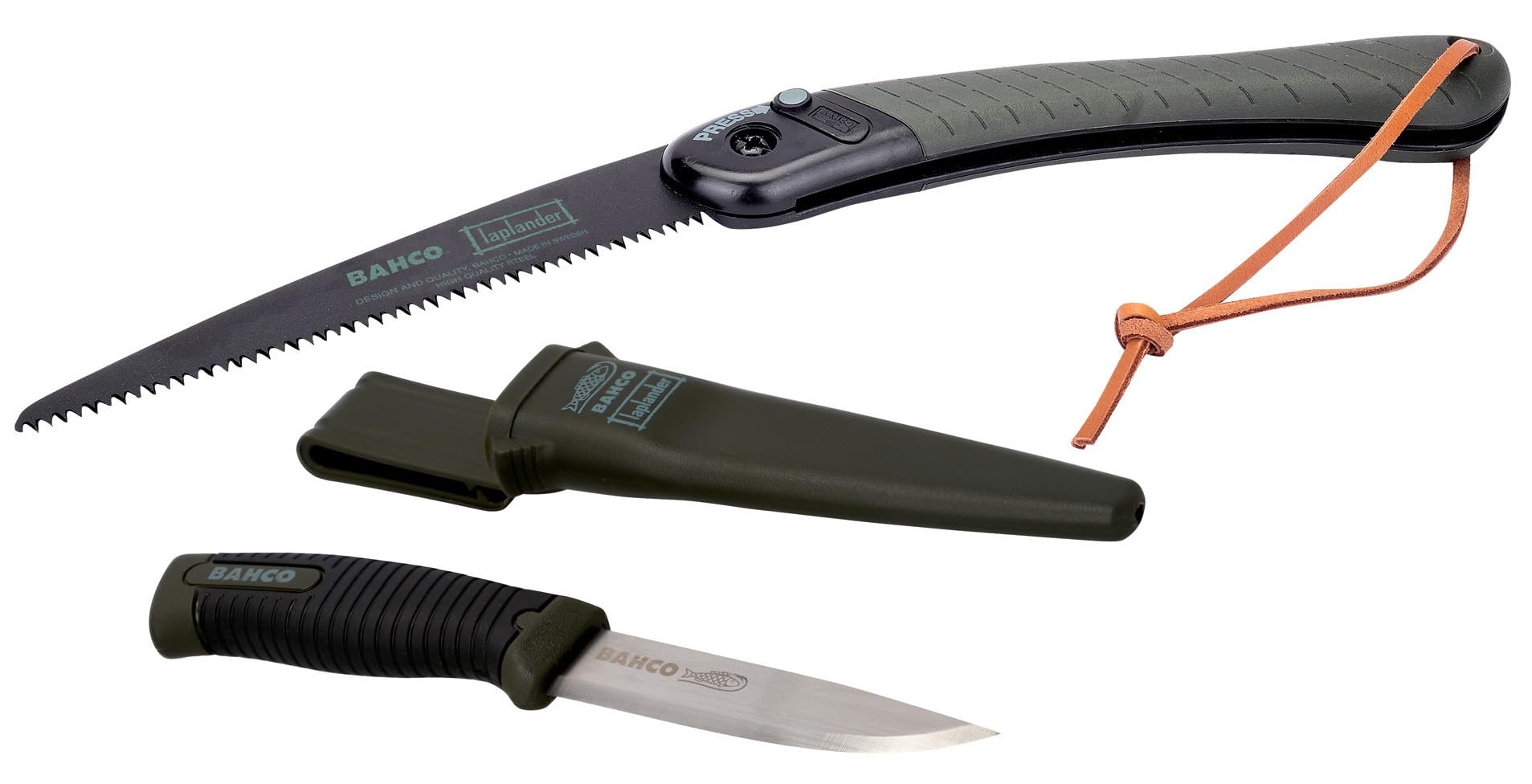
Bahco BAHLAP-KNIFE Ergonomic 7-1/2″ Laplander Folding Saw & Knife Set, Includes 396-LAP and 2446-LAP with Rust-Proof Blade and Belt Holster for Bushcraft, Camping, Trail Maintenance & Outdoor Tasks
No Fabric • Imported • COMPLETE OUTDOOR CUTTING SET: Includes the 396-LAP folding saw and 2446-LAP fixed-blade knife – perfectly paired for bushcraft, trail work, and wilderness prep. Both tools fit securely in the included belt holster for convenient, field-ready use.
The synergy between knife and saw becomes apparent when you’re processing a fallen tree for multiple purposes—the saw quickly sections the trunk into manageable lengths, while your knife splits these sections into kindling, carves notches for lashing points, and shapes components for tools or traps. This division of labor isn’t just about efficiency; it’s about tool preservation. Using your knife for tasks better suited to a saw accelerates edge wear and risks blade damage, while the saw’s specialized tooth geometry makes short work of cuts that would dull your knife’s edge through dozens of strokes. Together, these tools create a cutting system where each component operates in its optimal performance range, extending the service life of both while expanding your overall capabilities.
Fire-starting equipment forms the third pillar of your bushcraft tool kit, with the ferro rod standing as the most reliable ignition source for wilderness conditions. A quality ferro rod produces sparks exceeding 3,000 degrees Fahrenheit when struck with the spine of your knife, igniting properly prepared tinder even in wet conditions that render matches and lighters useless. The technique requires practice—you must strike the rod with the sharp spine of your knife at the correct angle and speed while maintaining your tinder bundle in the spark stream—but once mastered, it provides virtually unlimited fire-starting capability with a tool that weighs less than an ounce and never runs out of fuel. Many bushcraft knives, including the BPSKNIVES Adventurer, include a ferro rod with the sheath, recognizing this tool pairing as fundamental to wilderness fire craft.
A small fixed-blade knife or quality multi-tool serves as your detail work specialist, handling tasks where your primary bushcraft knife’s size becomes a limitation. Carving fishing lures, preparing small game, or fashioning cordage from plant fibers demands precision that’s difficult to achieve with a five-inch blade designed for general-purpose work. This secondary blade doesn’t need the robust construction of your primary knife—a three-inch blade with a simple drop-point or clip-point geometry provides the control needed for intricate work while adding minimal weight to your kit. The key is selecting a design that complements rather than duplicates your main knife’s capabilities, creating a two-knife system that covers the full spectrum from heavy processing to fine detail work without carrying redundant tools.
Common Pitfalls and Safety Considerations
The most dangerous mistake in bushcraft tool selection is prioritizing appearance over functionality, a trap that ensnares countless beginners drawn to tactical-looking knives with aggressive serrations, oversized guards, and saw-back spines. These features might look impressive, but they actively compromise performance in real bushcraft applications—serrations are nearly impossible to sharpen in the field, oversized guards interfere with choking up on the blade for detail work, and saw-back spines rarely cut effectively while preventing proper ferro rod striking technique. A cautionary example from wilderness survival instruction shows that students equipped with tactical survival knives consistently struggle with basic tasks like featherstick preparation and trap construction, while those using simple scandi-ground bushcraft knives master these skills rapidly because the tool design supports rather than fights proper technique.
Neglecting regular maintenance creates a cascade of problems that compromise both safety and effectiveness in the field. Carbon steel knives require a light coating of oil after each use to prevent rust, especially in humid environments or after processing game where blood and moisture contact the blade. Failing to maintain this protection leads to surface corrosion that pits the blade, creating rough spots that drag during cuts and stress concentrations that can propagate into cracks. Your maintenance checklist should include: inspecting the blade for chips or cracks before each outing, checking handle fasteners for tightness, applying protective oil to carbon steel, and touching up the edge with a few strokes on a fine stone. These simple steps, taking less than five minutes, prevent the equipment failures that turn manageable situations into emergencies.
Improper technique causes more injuries than equipment failure, with batoning accidents representing the most common serious mishap among bushcraft practitioners. The safe batoning method requires selecting a baton of appropriate size—roughly wrist-thick and eighteen inches long—and striking the spine of your knife with controlled blows while keeping your off-hand completely clear of the blade path. Many injuries occur when practitioners use excessive force, causing the knife to punch through the wood suddenly and continue into their supporting hand or leg. Recent safety data from wilderness medicine courses indicates that knife injuries requiring evacuation almost always involve deviation from established safe practices rather than equipment malfunction, emphasizing that skill development must include safety protocols as fundamental components rather than optional considerations.
Building Your Kit: A Phased Approach
Your immediate priority is acquiring a quality fixed-blade bushcraft knife that meets the fundamental criteria we’ve established—full tang construction, carbon steel blade in the five to six-inch range, and scandi or flat grind geometry. This single tool unlocks the majority of bushcraft techniques and provides the foundation for skill development that transfers directly to wilderness situations. Start with a mid-range option like the BPSKNIVES Adventurer rather than either budget compromises or premium custom knives; this price point delivers proven performance without the financial barrier that delays getting into the field where actual learning happens. Spend your first month mastering basic cuts—the push cut, pull cut, and chest lever cut—along with safe batoning technique and ferro rod fire starting using your knife’s spine.
Phase two, implemented after you’ve developed confidence with your primary knife, adds the folding saw that transforms your wood processing capabilities. This addition typically occurs naturally when you attempt your first overnight shelter construction and realize how much faster and cleaner a saw handles the structural components. The Bahco Laplander paired with your bushcraft knife creates a two-tool system capable of handling virtually any cutting task you’ll encounter in temperate forest environments. Use this phase to practice the integrated workflow where saw and knife complement each other—the saw for initial dimensioning and the knife for shaping, joinery, and detail work. This combination supports progression into more complex projects like elevated bed platforms, drying racks, and semi-permanent camp furniture that develop your understanding of wood properties and joinery principles.
Long-term kit refinement focuses on specialized tools that address specific environments or activities you pursue most frequently. If you spend significant time in northern climates, a small hatchet or forest axe adds capability for processing larger diameter hardwood in cold conditions where standing dead wood provides the best fuel. Those focused on fishing and trapping benefit from adding a dedicated detail knife with a thin, flexible blade optimized for filleting and hide work. The key is allowing your actual field experience to guide these additions rather than accumulating tools based on theoretical scenarios—each item in your kit should earn its place through regular use that justifies its weight and bulk. This organic growth process, spanning months or years, builds a personalized tool kit that reflects your specific skills, environment, and outdoor pursuits while avoiding the common trap of over-equipped, under-skilled practitioners carrying gear they’ve never mastered.
Frequently Asked Questions
What’s the difference between a bushcraft knife and a survival knife?
A bushcraft knife is optimized for extended wilderness living and craft work, featuring a scandi grind, moderate blade length (5-6 inches), and design elements that support detailed carving and wood processing. Survival knives are typically larger, more robust tools designed for emergency situations, often with compound grinds and features like saw backs or oversized guards. Bushcraft knives excel at the refined techniques needed for thriving in nature, while survival knives prioritize durability for short-term emergency scenarios.
Do I really need a full-tang knife, or will a partial tang work?
Full-tang construction is essential for bushcraft applications because it eliminates the weak point where blade meets handle. When you’re batoning wood, prying, or applying lateral force during carving, a partial tang concentrates stress at the junction point where it can snap. Full-tang knives distribute these forces across the entire handle length, providing the structural integrity needed for techniques that define bushcraft practice. The small weight penalty is insignificant compared to the reliability gain.
How do I maintain a carbon steel bushcraft knife in the field?
Carbon steel requires a light coating of oil after each use to prevent rust. In the field, you can use cooking oil, rendered animal fat, or commercial knife oil applied with a cloth. Wipe the blade clean after use, apply a thin oil layer, and store the knife in its sheath. Check the blade daily for any rust spots and remove them immediately with fine abrasive. After processing game or working in wet conditions, dry the blade thoroughly before oiling. This simple routine takes two minutes and prevents the corrosion that compromises blade performance.
What blade length is best for general bushcraft work?
Five to six inches represents the optimal blade length for general bushcraft, providing enough reach and leverage for wood processing while maintaining the control needed for detailed carving work. Shorter blades limit your ability to process larger materials and reduce leverage for batoning, while longer blades become unwieldy for fine work like featherstick preparation or carving fishing hooks. This length range handles approximately ninety percent of wilderness cutting tasks without requiring specialized tools.
Should I choose stainless or carbon steel for my bushcraft knife?
Carbon steel is the superior choice for bushcraft applications because it’s easier to sharpen with field tools, holds an edge longer under heavy use, and strikes ferro rods effectively for fire starting. While carbon steel requires more maintenance to prevent rust, this trade-off is worthwhile for the performance advantages. Modern high-carbon steels in the 1066-1095 range offer excellent toughness and edge retention while remaining soft enough to sharpen with a simple whetstone, making them ideal for extended wilderness use where you can’t access power sharpening tools.
How important is a folding saw compared to just using my knife?
A folding saw is transformative for any bushcraft kit because it handles wood processing tasks that are inefficient or damaging when attempted with a knife. Cutting wood thicker than your wrist with a knife is exhausting and accelerates edge wear, while a quality folding saw makes these cuts in seconds with minimal effort. The saw also produces cleaner, straighter cuts essential for shelter construction and joinery work. Together, knife and saw create a synergistic system where each tool operates in its optimal range, preserving both while expanding your overall capabilities significantly.
Building an effective bushcraft tool kit represents a journey of understanding how individual components work together to create capabilities far exceeding what any single tool can provide. Your bushcraft knife serves as the foundation, but it’s the thoughtful addition of complementary tools like a folding saw and reliable fire-starting equipment that transforms basic survival into confident wilderness living. The key is prioritizing quality over quantity, mastering each tool thoroughly before adding the next, and allowing your actual field experience to guide your kit evolution rather than accumulating gear based on theoretical scenarios.
Ready to build your bushcraft tool kit with gear that performs when it matters? Explore our curated selection of field-tested knives, saws, and essential wilderness tools, each chosen for proven reliability in real outdoor conditions. Start with the fundamentals and expand your capabilities as your skills grow—because the right tools don’t just make tasks easier, they make mastery possible.