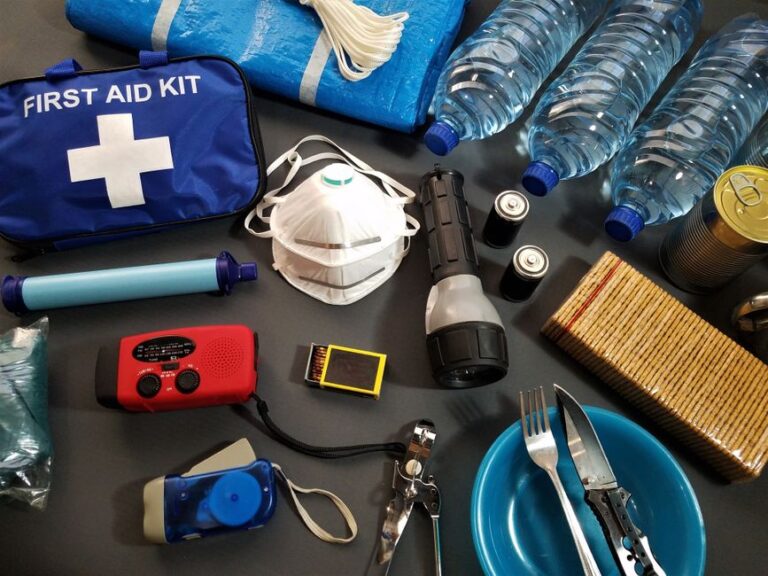
Disclosure: This post contains affiliate links. If you click a link and make a purchase, we may earn a commission at no extra cost to you. We only recommend products we trust.
When disaster strikes and the power grid fails, your smartphone becomes a useless brick and your connection to critical information vanishes in an instant. A hand crank emergency radio transforms from a simple preparedness item into a genuine lifeline, delivering weather alerts, emergency broadcasts, and communication capabilities when you need them most. Whether you’re preparing for hurricane season, building a comprehensive emergency kit, or ensuring your family’s safety during extended power outages, understanding how to select the right emergency radio can mean the difference between informed decision-making and dangerous uncertainty.
Why Emergency Radios Matter More Than Ever
Recent years have witnessed an unprecedented surge in natural disasters and extreme weather events, with emergency management agencies reporting that the average household now faces multiple weather-related threats annually. From hurricanes and tornadoes to wildfires and severe winter storms, these events share one common characteristic: they frequently disable cellular networks and electrical infrastructure precisely when you need information most. The Federal Emergency Management Agency consistently emphasizes that battery-powered or hand crank radios rank among the top three essential items for every emergency kit, yet studies reveal that fewer than thirty percent of households actually own a functional emergency radio.
The stakes extend far beyond simple inconvenience when communication systems fail during disasters. Emergency broadcasts provide critical information about evacuation routes, shelter locations, hazardous conditions, and rescue operations that directly impact survival decisions. Modern emergency radios have evolved significantly from the basic AM/FM receivers of previous generations, now incorporating NOAA weather band reception, multiple power sources, LED flashlights, and even phone charging capabilities. This convergence of features transforms a single device into a multi-functional survival tool that addresses several emergency needs simultaneously, making the investment in quality equipment more valuable than ever before.
The market for emergency radios has expanded dramatically, with manufacturers offering everything from basic hand crank models under twenty dollars to sophisticated units exceeding two hundred dollars with advanced features. This wide range creates both opportunity and confusion for preparedness-minded individuals trying to make informed purchasing decisions. Understanding which features genuinely enhance emergency readiness versus marketing gimmicks that add cost without meaningful benefit becomes essential for building an effective disaster preparedness kit without overspending on unnecessary capabilities.
Essential Components and How They Work
At its core, an emergency radio serves one primary function: receiving broadcast signals when conventional power sources become unavailable. The fundamental architecture includes a radio receiver capable of tuning multiple frequency bands, an antenna system for signal capture, a power management system supporting various energy sources, and output components like speakers and displays. Understanding how these elements work together helps you evaluate whether a specific model will perform reliably when conditions deteriorate and conventional communication methods fail completely.
The receiver section determines which broadcasts you can access during emergencies, with three primary bands proving most valuable for disaster situations. AM and FM bands provide access to local news, emergency announcements, and community information from nearby stations. The NOAA Weather Radio network operates on seven dedicated frequencies between 162.400 and 162.550 MHz, broadcasting continuous weather information and emergency alerts twenty-four hours daily. Quality emergency radios include all three band types, with NOAA reception being absolutely non-negotiable for serious preparedness applications since these broadcasts originate from government facilities with backup power systems designed to continue operating throughout extended disasters.
Power management represents the defining characteristic that separates emergency radios from standard portable receivers. A comprehensive emergency radio incorporates multiple independent power sources to ensure functionality regardless of circumstances. Hand crank generators convert mechanical energy from turning a handle into electrical current, typically producing enough power for thirty minutes of listening from one minute of cranking. Solar panels harvest energy from sunlight, though their effectiveness varies dramatically based on panel size, efficiency, and available light conditions. Rechargeable battery packs store energy from any source for later use, while some models also accept standard disposable batteries as a final backup option. The best emergency radios seamlessly integrate all these power sources, automatically switching between them or allowing manual selection based on available resources.
Additional features have become standard on modern emergency radios, transforming them into multi-purpose survival tools. LED flashlights provide illumination during power outages, with brightness levels ranging from basic visibility to powerful beams capable of signaling rescuers. USB charging ports allow the radio’s battery to function as a power bank for charging phones and other small devices, though capacity limitations mean this feature works best for emergency calls rather than extended device use. Some advanced models include reading lights, SOS beacon modes, and even Bluetooth connectivity, though each additional feature potentially introduces complexity and failure points that may compromise reliability during actual emergencies when simplicity often proves more valuable than versatility.
Selecting the Right Radio for Your Situation
Matching emergency radio capabilities to your specific preparedness needs requires honest assessment of likely disaster scenarios, household requirements, and realistic usage patterns. Urban residents facing primarily weather-related power outages have different needs than rural homesteaders preparing for extended grid-down situations, while mobile applications like vehicle emergency kits or bug-out bags demand different form factors than stationary home preparedness stations. Begin by identifying the three most probable emergency scenarios for your location, then evaluate which radio features directly address communication and information needs during those specific situations.
Battery capacity deserves careful consideration since it directly determines how long your radio remains functional and how effectively it can charge other devices. Entry-level models typically include batteries ranging from 1000 to 1500 milliamp-hours, sufficient for basic radio reception but limited for phone charging. Mid-range options like the RunningSnail Emergency Radio feature 2000mAh batteries that balance portability with practical charging capability, providing enough power for several hours of radio operation plus emergency phone calls when needed. Premium models may offer 4000mAh or larger batteries, though increased capacity adds weight and bulk that may prove impractical for portable applications. Calculate your minimum runtime requirements by estimating how many hours daily you’d need radio access during a typical three-day emergency, then multiply by three to ensure adequate capacity with safety margin.
Reception quality separates functional emergency radios from frustrating paperweights when you need them most, yet this critical specification rarely appears in marketing materials. Antenna design significantly impacts reception, with telescoping antennas generally outperforming fixed wire antennas for FM and NOAA bands. Sensitivity specifications, when provided, should show figures below 10 microvolts for FM and below 3 microvolts for NOAA weather bands to ensure reliable reception in challenging conditions. Real-world testing provides the most reliable evaluation method: quality retailers allow returns, so purchase your chosen radio and test it at home by comparing reception to a known good radio or by attempting to receive distant stations. If the emergency radio struggles to pull in signals that other radios receive clearly, return it immediately regardless of other features since poor reception renders every other capability meaningless during actual emergencies.
Durability and weather resistance protect your investment and ensure functionality when conditions deteriorate, yet many emergency radios feature surprisingly fragile construction. Examine the case material carefully, looking for rubberized or reinforced plastic rather than thin, brittle housings that crack easily. Water resistance ratings provide objective durability measures, with IPX3 offering basic splash protection and IPX4 providing resistance to water spray from any direction. While few emergency radios achieve full waterproof ratings, models with sealed battery compartments and rubberized port covers significantly outperform those with exposed connections. Consider a real-world example: during a recent hurricane evacuation, a family’s emergency radio failed when rain entered the battery compartment through an unsealed cover, leaving them without weather updates during the most critical phase of the storm. This scenario illustrates why weather resistance deserves priority equal to reception quality and battery capacity when selecting emergency radio equipment.
Common Pitfalls and How to Avoid Them
The most frequent mistake in emergency radio selection involves prioritizing feature quantity over core functionality, resulting in complicated devices that fail to perform basic radio reception reliably. Manufacturers often market radios with impressive feature lists including Bluetooth speakers, multiple LED colors, and various charging options, yet these additions sometimes compromise the fundamental radio performance that matters most during emergencies. Before purchasing any emergency radio, verify that it excels at its primary mission: receiving clear AM, FM, and NOAA broadcasts in various conditions. Test reviews from actual users often reveal reception problems that glossy marketing materials conceal, so invest time reading detailed feedback from people who’ve used the radio during real emergencies rather than just unboxing reviews from influencers testing devices in ideal conditions.
Battery maintenance represents another critical area where preparedness plans frequently fail, with many emergency radios sitting unused for months or years until disaster strikes, only to discover dead batteries that won’t hold a charge. Rechargeable lithium-ion batteries naturally degrade over time even without use, losing approximately twenty percent of capacity annually when stored at room temperature. Implement a quarterly testing schedule where you fully charge your emergency radio, operate it for thirty minutes, then recharge it completely. This simple routine maintains battery health, verifies all functions work correctly, and keeps you familiar with the device’s operation so you won’t struggle with controls during high-stress emergency situations. Mark testing dates on your calendar alongside smoke detector battery changes and other regular maintenance tasks to ensure consistency.
Overreliance on solar charging creates dangerous vulnerabilities that become apparent only during extended emergencies when weather conditions prevent solar panel effectiveness. While solar panels provide valuable supplementary charging, they generate minimal power during overcast conditions, produce nothing at night, and require direct sunlight for optimal performance. Many disasters occur during severe weather with heavy cloud cover, precisely when solar charging becomes least effective. A cautionary example from recent wildfire evacuations illustrates this limitation: families relying primarily on solar-charged radios found themselves unable to generate adequate power due to smoke-darkened skies, forcing them to ration radio use and miss critical evacuation updates. Your emergency radio strategy should treat solar charging as a bonus feature rather than a primary power source, ensuring you maintain hand crank capability and keep backup batteries available for situations where solar charging proves inadequate or impossible.
Building Your Emergency Radio System
Implementing effective emergency radio preparedness follows a phased approach that balances immediate needs with long-term resilience. Start with quick wins that provide basic capability within your first week: purchase a quality mid-range emergency radio that includes hand crank, solar, and rechargeable battery options along with NOAA weather band reception. The RunningSnail Emergency Radio exemplifies this category, offering essential features at accessible pricing while maintaining reliability for home emergency kits. Immediately upon receiving your radio, charge it fully, test all functions including radio reception on all bands, verify the flashlight operates correctly, and practice using the hand crank to understand how much effort generates useful power. Store the radio in your primary emergency kit location where all family members can access it quickly, and brief everyone on its location and basic operation.

RunningSnail Emergency Hand Crank Radio With LED Flashlight For Emergency, AM/FM NOAA Portable Weather Radio With 2000mAh Power Bank Phone Charger, USB Charged & Solar Power For Camping, Emergency 087-Red
【HOME & OUTDOOR NECESSARY】As reported, we used to experience several times natural disasters per year like hurricanes”Harvey”, Wildfire, and so on. The emergency weather Radio will keep your family safe through it all. This Weather Radio can timely report emergency weather alerts in your areas to be well prepared; A 2000mAh Built-in Li-ion battery to charge most of the device until power back; A LED flashlight with rugged cover design could light up your darkness. • 【2000mAh PHONE CHARGER】When we are trapped in an emergency,This emergency radio with a 2000mAh emergency power bank may be our life-saving tool. The emergency portable radio works with most USB powered devices, which could provide enough emergency power for important calls to your family, the emergency services, or for contacting assistance in emergency situations. • 【3-WAY POWER SOURCES】The solar crank radios with multiple power backup options are the best choice in the emergency package. 3 Power Source including Hand Crank, Solar Panel, Built-in Li-ion Rechargeable Battery, to make it easier to keep the emergency radio running during a prolonged situation where power is off and batteries have been used up. Never Power outage! PS:(The solar energy conversion current is small, used for very urgent situations or to protect the rechargeable battery, not the usual charging way.)
Medium-term implementation over the following month involves expanding your emergency communication capabilities and establishing maintenance routines. Program NOAA weather radio frequencies for your specific location into memory if your radio supports this feature, or create a reference card listing the correct frequencies to tune manually. Purchase backup power options including a set of high-quality rechargeable AA or AAA batteries if your radio accepts them, plus a small solar panel charger as an additional charging method. Conduct a realistic emergency drill where you simulate power loss for twenty-four hours, relying exclusively on your emergency radio for information and using only its built-in power sources. This exercise reveals practical limitations and usage patterns that inform adjustments to your preparedness strategy before actual emergencies test your systems.
Long-term preparedness extends beyond three months and focuses on redundancy, skill development, and system integration. Consider adding a second emergency radio to your vehicle emergency kit or bug-out bag, ensuring communication capability regardless of location when disaster strikes. Develop proficiency with hand crank operation until you can generate power efficiently without excessive fatigue, and practice receiving weak or distant stations to understand your radio’s limitations. Integrate your emergency radio into broader preparedness systems by coordinating with neighbors to establish communication protocols, identifying which radio stations provide the most reliable emergency information for your area, and creating written emergency plans that specify when and how you’ll use radio information to make evacuation or shelter-in-place decisions. This comprehensive approach transforms a simple device purchase into a robust communication capability that genuinely enhances your family’s safety and resilience during disasters.
Frequently Asked Questions
How long does a hand crank emergency radio last on a full charge?
Battery life varies significantly based on capacity and usage patterns. A radio with a 2000mAh battery typically provides 12-15 hours of listening at moderate volume, though using the flashlight or charging other devices reduces runtime substantially. One minute of hand cranking generally produces 20-30 minutes of radio operation, allowing you to extend battery life indefinitely with periodic cranking sessions.
Can emergency radios really charge my smartphone during power outages?
Yes, but with important limitations. Emergency radios function as small power banks, providing enough charge for emergency calls rather than full device charging. A 2000mAh emergency radio battery might restore 30-40% charge to a typical smartphone, sufficient for critical communication but not extended use. Prioritize emergency calls and essential communication rather than treating your emergency radio as a primary phone charging solution.
What’s the difference between AM/FM and NOAA weather radio bands?
AM and FM bands receive commercial radio stations broadcasting news, music, and local information. NOAA weather radio operates on seven dedicated frequencies (162.400-162.550 MHz) broadcasting continuous weather information and emergency alerts directly from National Weather Service offices. NOAA broadcasts continue operating during disasters when commercial stations may go offline, making this capability essential for emergency preparedness.
Do I need weather alert features on my emergency radio?
Weather alert features automatically activate your radio when the National Weather Service issues warnings for your area, even when the radio is turned off. This capability proves valuable for overnight warnings or situations where you’re not actively monitoring broadcasts. However, basic NOAA reception without automatic alerts still provides access to all emergency information if you check broadcasts regularly during severe weather.
How often should I test and maintain my emergency radio?
Test your emergency radio quarterly at minimum, fully charging the battery, operating all functions, and then recharging completely. This routine maintains battery health, verifies proper operation, and keeps you familiar with controls. Additionally, test your radio whenever severe weather threatens your area to ensure it’s ready if conditions deteriorate and you need emergency information.
Are expensive emergency radios worth the extra cost?
Price correlates with features and build quality but not always with core radio performance. Mid-range radios between fifteen and forty dollars typically provide excellent reception and reliability for most users. Premium models justify higher costs when you need specific features like larger battery capacity, enhanced durability, or specialized functions. Focus on reception quality, battery capacity, and build quality rather than price alone when evaluating emergency radio value.
Selecting the right hand crank emergency radio transforms abstract disaster preparedness into concrete capability that protects your family when conventional communication systems fail. By understanding essential features like NOAA weather band reception, evaluating power source options realistically, and avoiding common pitfalls that compromise reliability, you can confidently choose equipment that performs when conditions deteriorate and information becomes critical for safety decisions. The investment in quality emergency radio equipment pays dividends not through daily use but through the peace of mind that comes from knowing you’ve established reliable communication capability that functions regardless of grid status, cellular network availability, or battery supply chain disruptions.
Don’t wait until disaster strikes to discover your emergency communication gaps. Take action today by selecting a quality hand crank emergency radio that matches your preparedness needs, then implement the testing and maintenance routines that ensure it’s ready when you need it most. Your family’s safety during the next emergency depends on decisions you make right now, while you still have time to prepare properly. Start building your emergency communication capability today and gain the confidence that comes from knowing you’re truly prepared for whatever challenges lie ahead.