Disclosure: This post contains affiliate links. If you click a link and make a purchase, we may earn a commission at no extra cost to you. We only recommend products we trust.
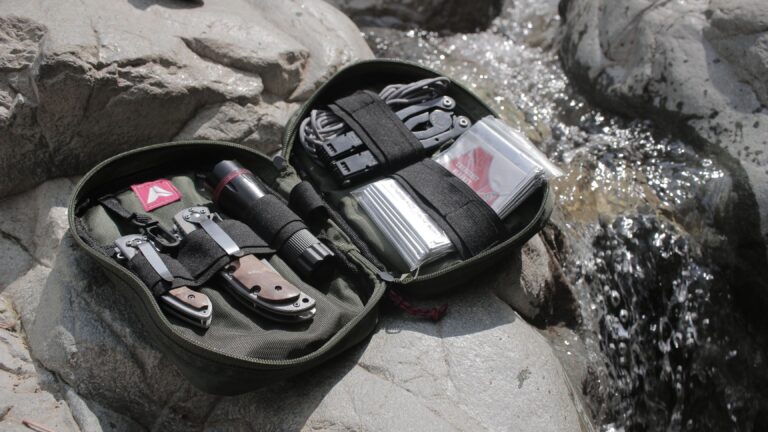
Your everyday carry kit represents the thin line between inconvenience and crisis when unexpected situations arise. Whether you’re commuting to work, running errands, or exploring the outdoors, having the right survival tools within arm’s reach transforms you from vulnerable to prepared. Building a complete EDC survival kit isn’t about paranoia—it’s about practical readiness for the small emergencies and unexpected challenges that life throws your way, from minor injuries to power outages to vehicle breakdowns.
Why EDC Preparedness Matters More Than Ever
The modern everyday carry movement has evolved from a niche prepper concept into a mainstream lifestyle choice embraced by millions of people across all demographics. Recent surveys indicate that over sixty percent of adults now carry at least one specialized tool beyond their wallet and keys, reflecting a growing awareness that self-reliance begins with the items you carry daily. This shift represents more than a trend—it’s a fundamental recognition that emergency services aren’t always immediately available and that personal preparedness creates peace of mind in an increasingly unpredictable world.
The stakes of being unprepared have become more apparent as infrastructure vulnerabilities, natural disasters, and everyday emergencies continue to affect communities nationwide. When severe weather knocks out power for days, when you’re stranded with a flat tire in a remote area, or when a minor injury occurs far from medical help, your EDC kit becomes your first line of defense. The difference between a minor inconvenience and a serious problem often comes down to having a reliable flashlight, a quality multitool, or basic first aid supplies immediately accessible. These aren’t hypothetical scenarios—they’re situations that thousands of people face every single day.
The financial and practical benefits of maintaining a comprehensive EDC survival kit extend beyond emergency situations into everyday utility. People who carry well-designed EDC gear report using their tools multiple times per week for routine tasks, from opening packages to making quick repairs to helping others in need. This daily utility justifies the modest investment in quality gear while ensuring that when a genuine emergency arises, you’re already familiar with your equipment and can deploy it confidently. The return on investment becomes clear the first time your EDC kit solves a problem that would have otherwise cost you time, money, or safety.
Understanding EDC Philosophy and Core Principles
The foundation of effective everyday carry rests on understanding that EDC isn’t about carrying everything you might possibly need—it’s about carrying the right tools that solve the widest range of problems with the least amount of weight and bulk. This principle of optimization separates functional EDC kits from overloaded pockets that become burdensome rather than beneficial. Your EDC survival kit should integrate seamlessly into your daily routine, remaining unobtrusive until needed while providing immediate access to essential capabilities. The goal is creating a system where preparedness becomes effortless rather than a conscious burden you must remember to maintain.
The classic framework for survival priorities translates directly into EDC kit design through what experienced outdoorspeople call the hierarchy of needs. At the foundation sit tools for immediate threats—medical emergencies require first aid supplies, while exposure to elements demands fire-starting capability and emergency shelter options. The next tier addresses navigation and communication, ensuring you can find your way and call for help when needed. Finally, tools for everyday utility and problem-solving round out the kit, providing the versatility that makes your EDC genuinely useful rather than just theoretical preparation. This layered approach ensures you address critical needs first while building toward comprehensive capability.
Successful EDC implementation requires balancing three competing factors: capability, portability, and accessibility. A tool that solves every problem but weighs five pounds won’t get carried consistently, while a featherweight option that breaks under stress provides false security. Similarly, gear buried at the bottom of a bag offers little advantage over equipment left at home. The sweet spot exists where robust capability meets comfortable carry weight and allows instant deployment when situations demand action. This balance varies by individual lifestyle—office workers prioritize different tools than construction professionals, and urban environments present different challenges than rural settings.
The concept of redundancy plays a crucial role in reliable EDC systems, though it requires thoughtful application to avoid unnecessary duplication. Critical functions like fire-starting and cutting tools benefit from backup options, but these redundancies should come in different forms that complement rather than simply duplicate each other. For example, carrying both a quality pocket knife and a multitool provides cutting capability through two distinct tools that serve different purposes, while a lighter and ferrocerium rod offer fire-starting through different mechanisms that work under varying conditions. This strategic redundancy ensures that a single point of failure doesn’t eliminate an entire capability category from your survival options.
Essential Components of a Complete EDC Survival Kit
The cutting tool category forms the cornerstone of any serious EDC survival kit, with a quality folding knife serving as your primary edge. Look for blades between three and four inches with reliable locking mechanisms, corrosion-resistant steel, and ergonomic handles that provide secure grip even when wet. A knife handles countless daily tasks from opening packages to food preparation, while in emergencies it becomes essential for cutting cordage, processing materials, or even self-defense as a last resort. Complement your primary blade with a compact multitool that adds pliers, screwdrivers, and additional implements without significantly increasing carry weight. The LEATHERMAN Rev exemplifies this category perfectly, packing fourteen tools into a pocket-friendly package that handles everything from wire cutting to bottle opening with professional-grade reliability.
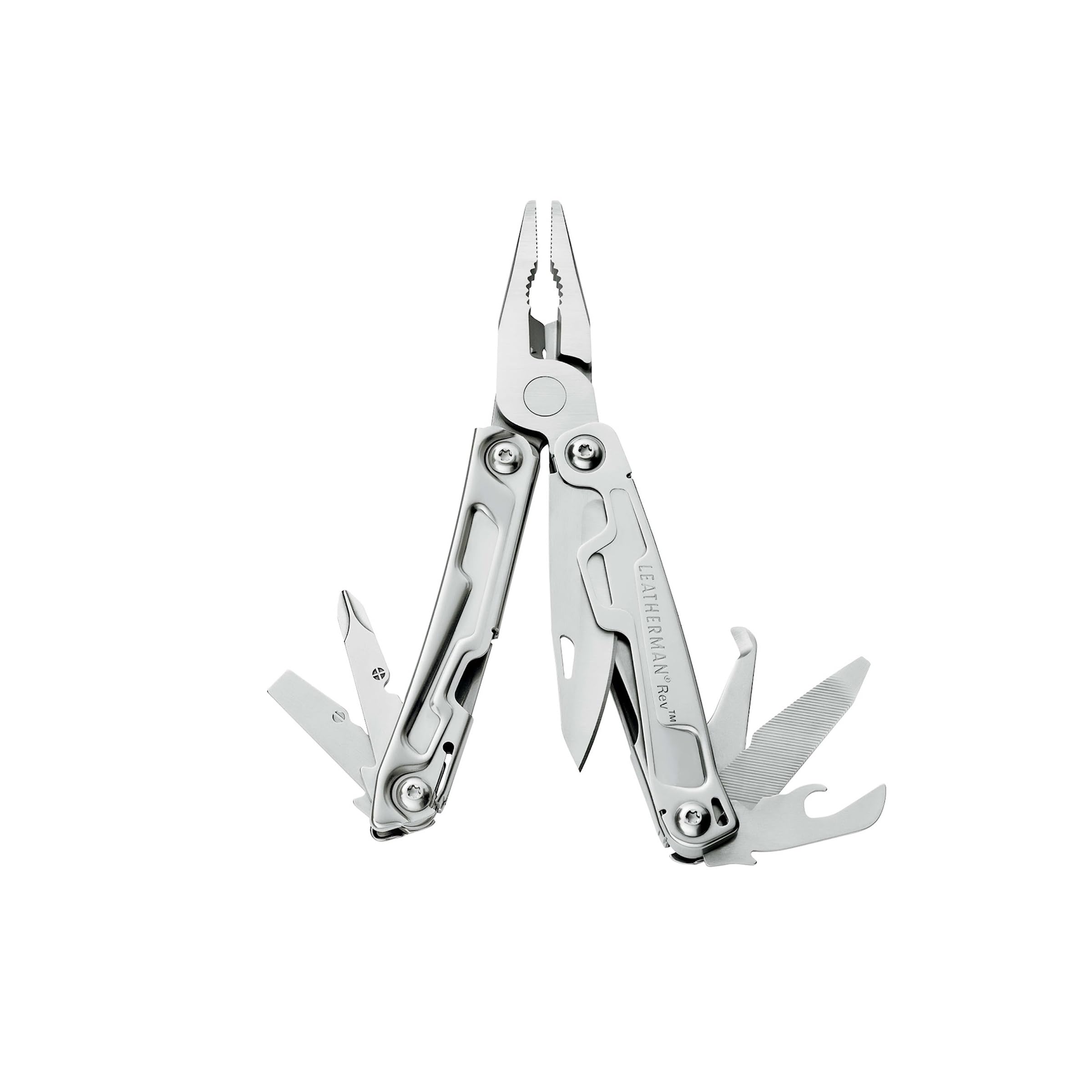
LEATHERMAN, Rev Pocket Size Multitool with Package Opener and Screwdrivers, Stainless Steel
A TOOL BOX IN YOUR POCKET: A small but versatile and high-functional multitool with the essentials and more; Put it to the test under the hood, at the campground or around the house • 14 TOOLS IN 1: Needlenose and regular pliers, hard and regular wire cutters, wire stripper, knife, package opener, wood/metal file, can and bottle openers, ruler, Phillips screwdrivers and more • OUR GUARANTEE: We’re proud to stand behind every product that leaves our factory in Portland, Oregon; That’s why we offer our 25-year warranty, so you can be confident your Leatherman lasts a lifetime
Fire-starting capability ranks among the most critical survival skills, and your EDC kit should include at least two methods for creating flame under adverse conditions. A quality butane lighter provides the easiest ignition for everyday needs, but waterproof matches or a ferrocerium rod ensure you maintain fire-starting ability even after water exposure or in extreme cold where lighters fail. A four-inch ferro rod with a dedicated striker generates thousands of sparks hot enough to ignite tinder in rain, snow, or wind, making it an invaluable backup that never runs out of fuel. Practice with your fire-starting tools before you need them—the middle of an emergency is no time to discover you don’t know proper striking technique or haven’t identified suitable tinder materials in your environment.
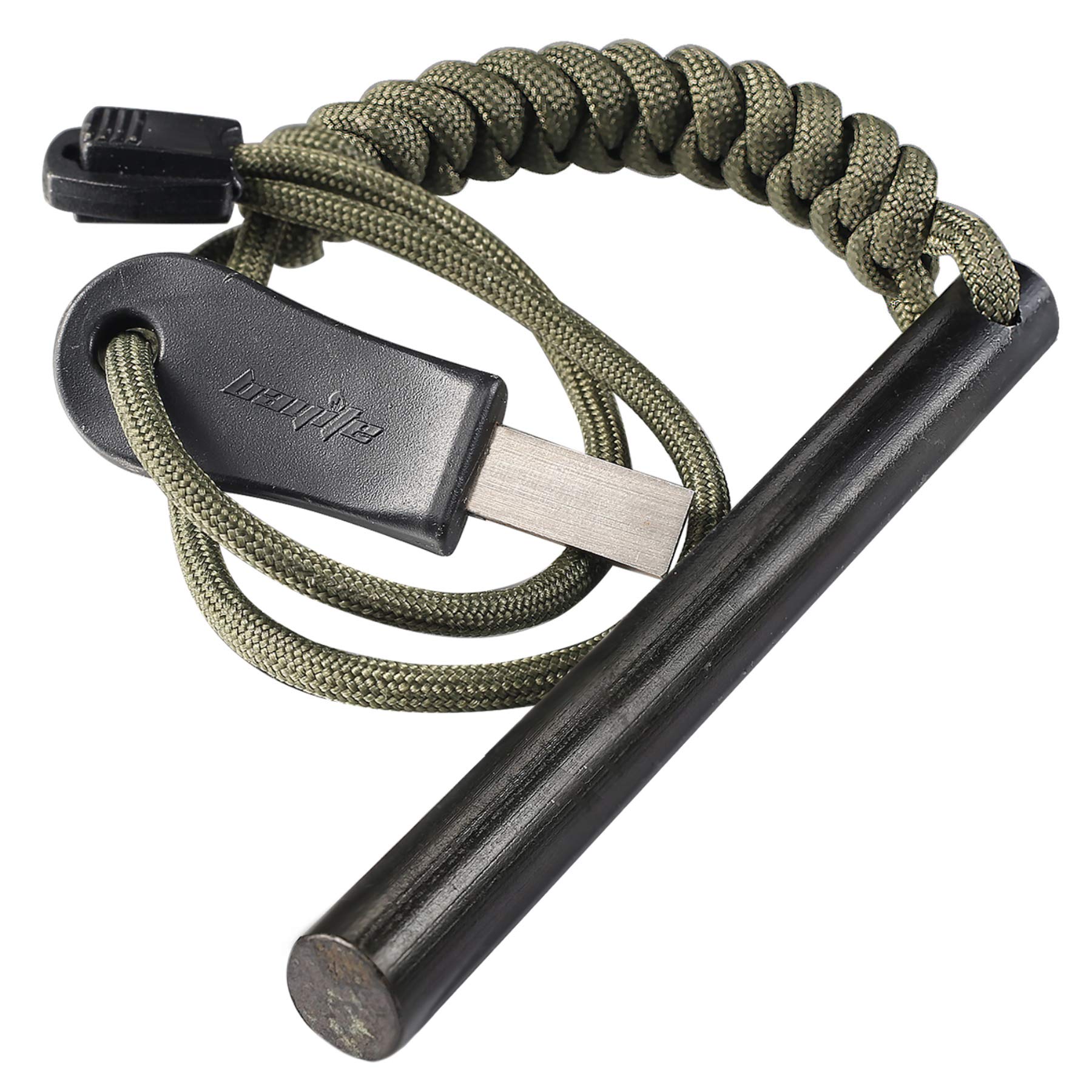
4 Inch Survival Ferrocerium Drilled Flint Fire Starter, Ferro Rod Kit with Paracord Landyard Handle and Striker, 4″(Long) x 3/8″(Diameter)
5ft Paracord included, gives you a good grip and never comes off. Comes with a bayite Striker-Pro striker attached to the paracord, always be prepared to start a fire • bayite 6 Striking Edges Striker-Pro striker is made from TOOL GRADE HSS STEEL and has a distinct hardness, maximizes a shower of hot sparks, no matter whether you prefer to use your left hand or right hand to scrape. Don’t use bad quality Knife as striker. Otherwise it will not produce enough sparks due to insufficient hardness of blade • Ferrocerium Rod Length:4″(10cm). Diameter: 3/8″(10mm). Large enough for a shower of sparks and small enough to carry
Illumination tools have evolved dramatically with LED technology, making it inexcusable not to carry a reliable flashlight as part of your EDC loadout. Modern compact lights deliver hundreds of lumens from devices smaller than your thumb, providing powerful illumination for navigation, signaling, or detailed work in darkness. Choose lights with multiple output modes to balance brightness against battery life, and consider models with rechargeable batteries to eliminate the ongoing cost and environmental impact of disposables. A small backup light on your keychain provides redundancy for this critical capability, ensuring you’re never left literally in the dark when power fails or you find yourself in unlit areas after sunset.
Medical preparedness separates those who can respond effectively to injuries from those who can only watch helplessly while waiting for professional help. Your EDC medical kit doesn’t need to be comprehensive—that’s what vehicle and home kits are for—but it should address the most common injuries you’re likely to encounter. Include various sizes of adhesive bandages, gauze pads, medical tape, antiseptic wipes, and pain relievers at minimum. Add a tourniquet if you’re trained in its use, along with any personal medications you require daily. A compact trauma kit the size of a deck of cards can fit in a pocket or bag while providing the essentials to control bleeding, protect wounds, and manage pain until professional medical care becomes available. The key is having these supplies immediately accessible rather than stored somewhere you can’t reach when seconds count.
Common EDC Mistakes and How to Avoid Them
The most prevalent mistake in EDC preparation is the “someday syndrome”—acquiring quality gear but never actually carrying it consistently. People invest in excellent tools, then leave them in a drawer because they seem unnecessary on routine days, only to face situations where those tools would have been invaluable. This pattern defeats the entire purpose of everyday carry, which relies on having capabilities available during unexpected situations rather than only when you anticipate needing them. Combat this tendency by making EDC part of your daily routine like putting on your watch or grabbing your keys. Start with a minimal kit that doesn’t feel burdensome, then gradually expand as carrying gear becomes habitual rather than a conscious decision you must make each morning.
Another critical error involves prioritizing quantity over quality, resulting in kits filled with cheap tools that fail when you need them most. A bargain multitool with loose joints and soft metal might seem like a good deal until the screwdriver strips out or the pliers bend under normal use. In survival situations, equipment failure can transform manageable problems into dangerous crises, making reliability worth the premium that quality tools command. Invest in reputable brands with proven track records and warranty support, even if it means building your kit more slowly. A single excellent knife you can trust completely provides more real capability than three mediocre blades that might break under stress.
Legal compliance represents a frequently overlooked aspect of EDC that can create serious problems if ignored. Knife laws vary dramatically between jurisdictions, with some areas restricting blade length, locking mechanisms, or carry methods in ways that could make your perfectly legal EDC illegal when you cross city or state lines. Research the laws in areas where you regularly travel, and understand that even legal tools can create issues in certain environments like airports, government buildings, or schools. A real-world cautionary tale involves an experienced outdoorsman who faced arrest and prosecution for carrying a standard pocket knife into a courthouse, despite having no malicious intent—the knife was simply part of his everyday carry that he forgot to remove. Develop the habit of reviewing your EDC before entering restricted areas, and consider maintaining a separate minimal kit for situations where your full loadout isn’t appropriate or legal.
Building Your EDC Kit: A Practical Implementation Plan
Begin your EDC journey by establishing your foundation layer with the three core capabilities that address the most common needs: cutting, lighting, and basic medical care. This initial phase should take no more than two weeks and requires modest investment—a quality folding knife, a compact LED flashlight, and a basic first aid kit can be assembled for under one hundred dollars while providing immediate utility. Carry these items consistently for at least a month, paying attention to how often you use each tool and what situations arise where you wish you had additional capabilities. This observation period reveals your personal needs and usage patterns, informing smart decisions about which additional tools will provide genuine value rather than just adding weight to your pockets.
The intermediate expansion phase focuses on adding redundancy and specialized capabilities based on your lifestyle and environment. This stage typically unfolds over three to six months as you identify gaps in your initial kit and invest in quality solutions. Add a multitool to complement your primary knife, upgrade to a more capable flashlight while keeping your original as backup, and expand your medical supplies to address a broader range of injuries. Include fire-starting capability through both a reliable lighter and a ferrocerium rod, ensuring you can create flame under any conditions. This phase also involves refining your carry system—whether that means a dedicated EDC pouch, strategic pocket organization, or a small bag that keeps everything accessible while distributing weight comfortably.
Long-term optimization represents the ongoing process of testing, refining, and upgrading your EDC kit based on real-world experience and changing needs. Quick wins in this phase include adding small items that solve specific problems you’ve encountered, like a mini pry bar for tasks that damage knife tips or a compact water purification option for areas where clean water isn’t guaranteed. More substantial long-term moves involve upgrading to premium versions of tools you use frequently, investing in custom carry solutions that perfectly match your needs, or developing specialized kits for different contexts like urban EDC versus wilderness-focused loadouts. The goal isn’t achieving some perfect final state—your EDC should evolve continuously as your skills develop, your circumstances change, and new tools emerge that offer improved capability or convenience.
Frequently Asked Questions
What does EDC mean in survival contexts?
EDC stands for Everyday Carry and refers to the essential items and tools you carry on your person daily to handle common problems and emergency situations. In survival contexts, EDC specifically emphasizes gear that addresses basic survival needs like fire-starting, cutting tools, first aid, and illumination while remaining practical enough to carry comfortably every single day.
How much should I spend on a complete EDC survival kit?
A functional EDC survival kit can be assembled for as little as seventy-five to one hundred fifty dollars if you focus on quality essentials like a reliable knife, flashlight, and basic medical supplies. However, investing two hundred to four hundred dollars allows you to acquire premium tools that offer superior reliability, durability, and performance. The key is prioritizing quality over quantity—better to carry three excellent tools than ten mediocre ones.
What are the most important items in an EDC survival kit?
The five most critical EDC items are a quality folding knife for cutting tasks, a reliable LED flashlight for illumination, fire-starting tools like a lighter and ferro rod, basic first aid supplies for medical emergencies, and a multitool for versatile problem-solving. These core items address the most common survival priorities and everyday needs while remaining compact enough to carry comfortably in pockets or a small bag.
How do I carry my EDC gear comfortably throughout the day?
Distribute your EDC items across multiple pockets rather than loading everything into one location, which creates uncomfortable bulk and makes access difficult. Use a quality belt to support heavier items, consider a small EDC pouch or organizer for your bag, and choose compact versions of tools whenever possible. Start with a minimal kit and add items gradually so your body adapts to the additional weight, and remember that proper gear selection means choosing tools you’ll actually carry rather than leaving at home because they’re too bulky.
Is it legal to carry EDC survival gear like knives and multitools?
Knife and tool laws vary significantly by location, with most areas allowing folding knives under three to four inches for everyday carry while restricting fixed blades, automatic knives, or concealed weapons. Research the specific laws in your state and any areas where you regularly travel, and understand that even legal tools may be prohibited in certain locations like airports, government buildings, and schools. When in doubt, check local regulations and err on the side of caution in restricted environments.
How often should I practice with my EDC survival tools?
Practice with your EDC gear at least monthly to maintain proficiency, with special focus on skills like fire-starting with a ferro rod, deploying your knife safely, and accessing items quickly under stress. Use your tools for everyday tasks whenever appropriate—this builds familiarity while ensuring everything functions properly. Additionally, conduct quarterly reviews where you inspect all items for wear or damage, replace consumables like first aid supplies, and verify that batteries remain charged and tools operate smoothly.
Building a complete EDC survival kit transforms you from dependent on circumstances to prepared for whatever challenges arise in your daily life. The items you carry every day represent more than just tools—they embody a mindset of self-reliance and readiness that serves you in countless situations from minor inconveniences to genuine emergencies. Start with the essentials, carry them consistently, and expand your capabilities based on real-world experience rather than theoretical scenarios. Remember that the best EDC kit is the one you actually have with you when you need it, making comfortable carry and daily utility just as important as emergency capability.
Ready to build your ultimate EDC survival kit? Start with proven essentials like a quality ferro rod for reliable fire-starting and a professional-grade multitool that handles any task. Explore our curated selection of EDC gear designed for real-world reliability, and take the first step toward true everyday preparedness today.