Disclosure: This post contains affiliate links. If you click a link and make a purchase, we may earn a commission at no extra cost to you. We only recommend products we trust.
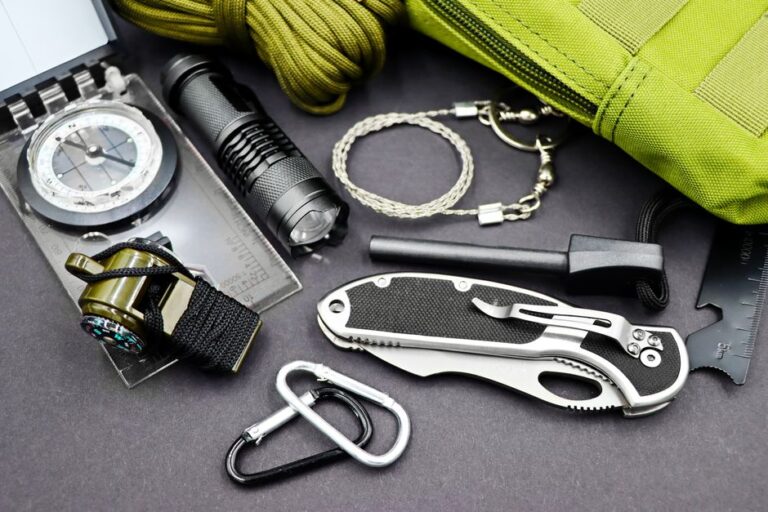
When you venture into the wilderness or prepare for emergencies, your survival gear kit becomes your lifeline between comfort and crisis. The difference between a well-prepared outdoor enthusiast and someone facing a dangerous situation often comes down to having the right equipment at the right time. Building a comprehensive survival gear kit isn’t about packing everything you own—it’s about selecting essential items that address your core survival needs while remaining portable and practical.
Why Your Survival Gear Kit Matters More Than Ever
Recent wilderness rescue data reveals that nearly seventy percent of outdoor emergencies could have been prevented or significantly mitigated with proper equipment preparation. Search and rescue organizations consistently report that unprepared hikers and campers face exponentially higher risks when unexpected situations arise, from sudden weather changes to navigation errors. The modern outdoor landscape has become increasingly accessible, drawing more people into wilderness areas who may lack the experience to recognize potential hazards before they become life-threatening situations.
The stakes extend beyond recreational activities into everyday preparedness as natural disasters and infrastructure disruptions become more frequent occurrences. Communities across diverse regions now face scenarios where self-sufficiency becomes critical, whether dealing with severe storms, wildfires, or extended power outages. Your survival gear kit serves as insurance against these unpredictable events, providing the tools and resources needed to maintain safety and comfort when normal support systems fail. Emergency management experts emphasize that individuals who invest time in proper gear selection and familiarization demonstrate significantly better outcomes during actual crisis situations.
Understanding what belongs in your survival gear kit transforms from academic knowledge into practical wisdom when you consider the cascading effects of being unprepared. A missing water filtration system doesn’t just mean thirst—it can lead to waterborne illness that compounds into a medical emergency in remote locations. Inadequate fire-starting tools don’t simply mean cold nights—they eliminate your ability to purify water, signal rescuers, and maintain core body temperature in critical situations. Each piece of equipment in your kit serves multiple functions that interconnect to create a comprehensive safety network, making the difference between managing a challenging situation and facing a genuine survival crisis.
Understanding the Core Categories of Survival Equipment
Every effective survival gear kit builds upon the foundation of addressing your five fundamental survival priorities: shelter, water, fire, food, and signaling. These categories aren’t arbitrary—they represent the physiological and practical needs that determine your survival timeline in wilderness situations. Shelter and thermoregulation top the list because hypothermia can incapacitate you within hours in adverse conditions, while dehydration follows closely as a threat that degrades decision-making and physical capability within days. Understanding this hierarchy helps you allocate weight and space in your kit toward items that address the most immediate threats first.
The shelter category encompasses more than just a tent or tarp—it includes everything that protects you from environmental exposure and helps maintain your core body temperature. This means quality rain gear, insulation layers, emergency blankets, and ground insulation all fall under this critical umbrella. Your shelter system should account for the worst conditions you might reasonably encounter in your environment, not just the forecast you hoped for when you started your journey. Experienced wilderness travelers know that weather can shift dramatically within hours, turning a pleasant afternoon hike into a fight against wind-driven rain and dropping temperatures.
Water procurement and purification equipment forms your second survival priority because the human body cannot function without adequate hydration. Your kit should include multiple methods for obtaining safe drinking water, from mechanical filtration systems to chemical purification tablets and boiling containers. The Sawyer Squeeze Water Filtration System represents an excellent example of reliable, lightweight filtration technology that removes harmful bacteria, protozoa, and microplastics while remaining compact enough for any pack. Redundancy matters here—if your primary filtration method fails or becomes lost, having backup purification tablets or the ability to boil water becomes your safety net.
Fire-starting capability deserves dedicated attention because fire serves multiple survival functions simultaneously. Beyond obvious warmth and cooking, fire purifies water, dries wet clothing, signals rescuers, boosts morale, and keeps dangerous wildlife at a respectful distance. Your kit should contain at least three different fire-starting methods that work in various conditions, from waterproof matches to reliable ferrocerium rods that generate sparks in any weather. The bayite Ferrocerium Fire Starter exemplifies the kind of dependable tool that belongs in every survival kit—it works when wet, produces abundant sparks, and requires no fuel or batteries that might fail when you need them most.
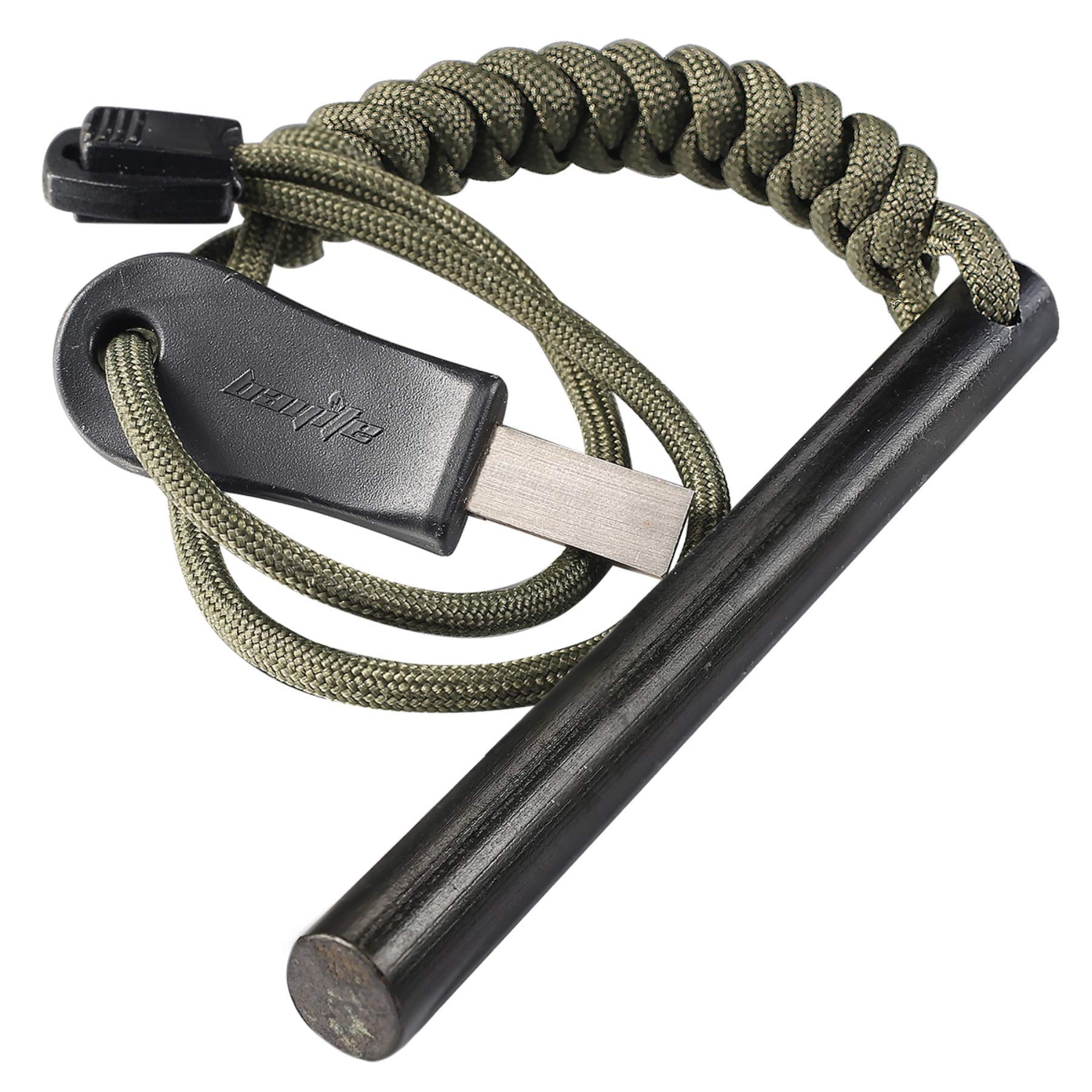
4 Inch Survival Ferrocerium Drilled Flint Fire Starter, Ferro Rod Kit with Paracord Landyard Handle and Striker, 4″(Long) x 3/8″(Diameter)
5ft Paracord included, gives you a good grip and never comes off. Comes with a bayite Striker-Pro striker attached to the paracord, always be prepared to start a fire • bayite 6 Striking Edges Striker-Pro striker is made from TOOL GRADE HSS STEEL and has a distinct hardness, maximizes a shower of hot sparks, no matter whether you prefer to use your left hand or right hand to scrape. Don’t use bad quality Knife as striker. Otherwise it will not produce enough sparks due to insufficient hardness of blade • Ferrocerium Rod Length:4″(10cm). Diameter: 3/8″(10mm). Large enough for a shower of sparks and small enough to carry
Optimizing Your Kit with Multi-Function Tools and Smart Selections
The art of building an effective survival gear kit lies in selecting equipment that serves multiple purposes while minimizing weight and bulk. Every ounce you carry matters when you’re hiking miles into the backcountry or evacuating during an emergency, so choosing versatile tools becomes crucial for maintaining a manageable pack weight. A quality fixed-blade knife, for example, functions as a cutting tool, fire starter striker, shelter builder, food processor, and defensive implement—making it one of the highest-value items in your kit. Similarly, paracord serves dozens of functions from shelter construction to gear repair, fishing line, and emergency medical applications.
Modern survival gear has evolved to incorporate innovative designs that maximize utility without sacrificing reliability. Consider how a metal water bottle serves triple duty as a water carrier, boiling container, and potential signaling device when polished. Your rain poncho can function as emergency shelter, ground cloth, or water collection system with minimal modification. This multi-function approach allows you to build a comprehensive kit without the excessive weight that leads to fatigue and increases injury risk during extended outdoor activities. The key lies in understanding each item’s secondary and tertiary uses before adding it to your pack.
Technology integration offers significant advantages when balanced with proven traditional methods. GPS devices and satellite communicators provide navigation and emergency communication capabilities that can dramatically reduce rescue times, but they depend on batteries and satellite coverage that might fail. Pairing these modern tools with traditional compass navigation skills and signal mirrors creates redundancy that covers both high-tech and low-tech scenarios. A practical example comes from a recent case where a hiker’s GPS unit failed in a canyon, but his backup compass and topographic map knowledge allowed him to navigate safely to a trailhead despite the electronic failure.
Organization systems within your survival gear kit deserve as much attention as the equipment itself. Waterproof stuff sacks color-coded by category allow rapid access to critical items during stressful situations when fumbling through a disorganized pack wastes precious time and energy. Your first aid supplies should occupy a clearly marked, easily accessible location because medical emergencies demand immediate response. The Swiss Safe First Aid Kit provides an excellent organizational model with its hard case protection and systematic interior layout that helps you locate specific supplies quickly. Practicing with your kit during non-emergency situations builds the muscle memory and familiarity that proves invaluable when conditions deteriorate and stress levels rise.

Swiss Safe 2-in-1 First Aid Kit for Car, Travel & Home, Businesses – Bonus Mini Kit for Medical Emergency Aid, Survival, Camping – FSA & HSA Eligible – 348 Pcs, Large Hardcase FAK Large FAK
Heavy Duty Hard Case: Your reliable guardian! Its robust, impact-absorbing hard case ensures unwavering security for outdoor escapades, road trips, camping, hiking, or at home. Perfect for cuts & scrapes as you embark on your next carefree journey! • Comprehensive Emergency Kit: Boasts 348 pcs of medical supplies, making it one of the most comprehensive sets available. Contains items to treat a wide variety of injuries & emergencies, ensuring you have all necessary tools & items at your disposal • Compact & Easy to Store: The organized interior makes it easy to find exactly what you need in any emergency situation. It fits into any storage space or can be tucked away in a bag, making it perfect for campers, backpackers, hikers, & families
Avoiding Critical Errors in Gear Selection and Preparation
The most dangerous mistake in survival gear preparation involves assuming that simply owning equipment translates to being prepared. Statistics from wilderness rescue operations show that a significant percentage of people carrying survival gear have never actually used it before their emergency situation, leading to fumbling with unfamiliar tools when time and conditions are most critical. Your ferrocerium rod won’t help if you’ve never practiced generating sparks and catching them in tinder, just as your water filter becomes useless if you don’t understand its operation and limitations. Dedicate time to practicing with every piece of equipment in your kit under various conditions, including cold hands, low light, and simulated stress scenarios.
Over-packing represents another common pitfall that transforms your survival kit from asset to liability. Enthusiastic preppers often accumulate excessive gear that creates an unwieldy pack too heavy for practical transport, leading to fatigue, injury, or the temptation to leave the kit behind on shorter trips. A cautionary example involves a backpacker who assembled a seventy-pound survival pack that remained in his vehicle during a day hike where he became lost overnight—his comprehensive kit provided zero benefit because its weight made it impractical to carry. Focus on essential, multi-function items that address core survival needs rather than accumulating redundant single-purpose tools that add weight without proportional value.
Neglecting maintenance and regular inspection of your survival gear creates false confidence that can prove devastating during actual emergencies. Batteries corrode, water purification tablets expire, first aid supplies degrade, and even ferrocerium rods can develop surface oxidation that impairs performance. Establish a quarterly review schedule where you inspect every item, replace expired components, test mechanical functions, and refresh your familiarity with each tool’s operation. This systematic approach ensures your kit remains ready when needed rather than discovering critical failures during the worst possible moment. Create a simple checklist that includes battery replacement dates, expiration verification for consumables, and functionality testing for mechanical items to maintain your kit’s reliability over time.
Building Your Complete Survival Kit: A Phased Approach
Constructing an effective survival gear kit doesn’t require purchasing everything simultaneously—a phased approach allows you to spread costs while building skills progressively with each addition. Start with the immediate survival priorities that address the most time-critical threats: shelter, water, and fire. Your first phase should include a quality knife, reliable fire-starting tools like a ferrocerium rod with striker, emergency shelter such as a space blanket or lightweight tarp, and water purification capability through either a filter or chemical tablets. These foundational items cost less than two hundred dollars but provide the core capabilities needed to survive unexpected overnight situations in most environments.
Phase two expands your kit with items that enhance comfort, extend your survival timeline, and address secondary needs. Add a comprehensive first aid kit that covers common injuries and medical emergencies, navigation tools including compass and appropriate maps, additional cordage and repair materials, emergency food rations, and signaling devices like a whistle and signal mirror. This phase transforms your basic survival capability into a more robust system that handles extended situations with greater comfort and safety margins. Budget approximately three to six months for this phase, allowing time to research quality options and practice with each new addition before moving forward.
The final phase incorporates specialized equipment tailored to your specific environment, activities, and skill level. This might include advanced shelter systems, cooking equipment, additional clothing layers, specialized tools for your region’s unique challenges, and upgraded versions of basic items as your experience reveals preferences and requirements. Long-term survival preparation also means developing skills that reduce equipment dependence—learning to identify natural tinder, construct debris shelters, and navigate by natural indicators. Quick wins include immediately adding a ferrocerium rod and basic first aid supplies to your everyday carry, while long-term investments involve building comprehensive kits for vehicle, home, and backcountry applications. Remember that the best survival gear kit is the one you have with you, understand completely, and can deploy effectively under pressure.

Sawyer Squeeze Water Filtration System Two 32-Oz Standard Pouches Squeeze w/ 2 Pouches
Lightweight, easy to use portable water filter removes harmful bacteria, protozoa, cysts, sediment, And 100% of microplastics; Perfect for outdoor adventures, travel, or emergency preparedness • High-Performance 0.1 micron absolute inline filter fits in the palm of your hand and weighs just 2 ounces • 100% of squeeze units individually tested three times to performance standards by sawyer
Frequently Asked Questions
How much should I expect to spend on a complete survival gear kit?
A basic survival gear kit covering essential needs costs between one hundred fifty and three hundred dollars, while comprehensive kits with quality equipment and redundant systems range from four hundred to eight hundred dollars. Focus on prioritizing core survival categories first—shelter, water, fire—then expand to secondary items as budget allows. Quality matters more than quantity, so invest in reliable tools that won’t fail during critical moments rather than accumulating cheap alternatives.
What’s the difference between a survival kit and a bug-out bag?
A survival kit focuses on immediate survival priorities with minimal equipment to address shelter, water, fire, and signaling needs, typically designed for unexpected emergencies lasting twenty-four to seventy-two hours. A bug-out bag represents a more comprehensive system intended for planned evacuation scenarios, including additional clothing, food, documents, and supplies for extended self-sufficiency lasting several days to weeks. Most people benefit from having both—a compact survival kit for daily carry and a larger bug-out bag for home or vehicle storage.
How often should I update or replace items in my survival gear kit?
Conduct quarterly inspections of your entire kit, checking for expired items, corroded batteries, degraded materials, and mechanical function. Water purification tablets typically expire within three to five years, batteries should be replaced annually, and first aid supplies need regular review for expiration dates. Replace any item showing wear, damage, or reduced performance immediately rather than waiting for scheduled reviews. Additionally, practice with your gear during these inspections to maintain familiarity and identify any items needing replacement or upgrade.
Can I build an effective survival kit using items I already own?
Many household items serve survival functions effectively, allowing you to create a basic kit with minimal investment. Common items like garbage bags for shelter, cotton balls with petroleum jelly for fire tinder, bleach for water purification, and basic first aid supplies provide foundational capabilities. However, invest in purpose-built tools for critical functions like fire starting and water filtration, as these specialized items perform more reliably under adverse conditions than improvised alternatives. Use household items to supplement rather than replace proven survival equipment.
What survival gear should I carry on every outdoor trip regardless of duration?
The ten essentials should accompany you on every outdoor adventure: navigation tools, sun protection, insulation, illumination, first aid supplies, fire-starting equipment, repair kit and tools, nutrition, hydration, and emergency shelter. Even short day hikes can become overnight emergencies through injury, weather changes, or navigation errors. A compact survival kit weighing less than two pounds easily fits in any daypack and provides critical capabilities if situations deteriorate unexpectedly. Never let trip brevity or familiar terrain convince you to leave essential survival gear behind.
How do I choose between different water filtration systems for my survival kit?
Select water filtration based on your typical environment, group size, and weight constraints. Squeeze filters like the Sawyer system offer excellent portability and reliability for individual or small group use, while gravity filters work better for larger groups or base camp situations. Chemical purification tablets provide lightweight backup but require waiting periods and may leave unpleasant taste. Include at least two different purification methods in your kit for redundancy—mechanical filtration as primary and chemical tablets as backup. Consider filter pore size, flow rate, lifespan, and maintenance requirements when making your selection.
Your survival gear kit represents more than a collection of equipment—it embodies your commitment to safety, preparedness, and self-reliance in any situation. The knowledge you’ve gained about selecting, organizing, and maintaining essential survival equipment transforms you from a casual outdoor enthusiast into a prepared individual capable of handling unexpected challenges with confidence. Remember that the most sophisticated gear provides no benefit if you lack the skills and familiarity to deploy it effectively under pressure, so dedicate time to practicing with every item in your kit until its operation becomes second nature.
Ready to build your complete survival gear kit with confidence? Explore our detailed equipment reviews and step-by-step skill guides to ensure you’re prepared for any wilderness challenge or emergency situation. Start with our comprehensive fire-starting techniques guide to master one of your most critical survival skills today.