Disclosure: This post contains affiliate links. If you click a link and make a purchase, we may earn a commission at no extra cost to you. We only recommend products we trust.
When you’re miles from civilization and need to repair gear, prepare food, or solve an unexpected problem, your multi tool becomes your most valuable asset. Gerber has built a reputation for creating reliable, field-tested multi tools that balance functionality with durability, making them a go-to choice for survivalists who demand tools that perform when it matters most. Understanding which Gerber model fits your specific survival needs can mean the difference between being prepared and being caught off guard in critical situations.
Why Gerber Multi Tools Matter in Modern Survival Preparedness
The multi tool market has evolved dramatically in recent years, with manufacturers competing to pack more functionality into increasingly compact designs. Gerber stands out in this crowded field by focusing on real-world durability rather than simply maximizing tool count, a philosophy that resonates strongly with survivalists who understand that a broken tool in the backcountry is worse than no tool at all. Recent industry data shows that multi tool failures most commonly occur at pivot points and locking mechanisms, areas where Gerber has invested heavily in engineering improvements that directly impact field reliability.
For survivalists, the stakes of choosing the right multi tool extend far beyond convenience. Your multi tool serves as a backup to your primary gear, a problem-solving device when improvisation becomes necessary, and potentially a life-saving instrument in emergency situations. The difference between a quality Gerber multi tool and a budget alternative becomes apparent not in the store, but when you’re using needle nose pliers to extract a splinter that’s becoming infected, or when you need wire cutters that can actually handle the gauge of wire you’re working with in the field. These aren’t hypothetical scenarios but real situations that outdoor professionals and experienced survivalists encounter regularly.
The investment in a quality Gerber multi tool pays dividends through longevity and reliability that budget options simply cannot match. While a thirty-dollar multi tool might seem adequate during casual use, the materials, heat treatment, and quality control that Gerber employs become evident after months of regular field use. Survivalists report that Gerber tools maintain their edge retention, keep their pivot tension, and resist corrosion better than many competitors, factors that directly translate to a tool you can depend on when you need it most. Understanding the specific features that make certain Gerber models better suited for survival applications helps you make an informed decision that aligns with your preparedness philosophy and actual field requirements.
Understanding Gerber Multi Tool Design and Construction
Gerber multi tools employ two primary opening mechanisms that fundamentally affect how you’ll use them in the field. The butterfly opening design, featured in models like the Suspension-NXT, allows you to access all tools by opening the handles outward, creating a stable platform for plier use while keeping other tools protected when closed. This traditional design offers excellent leverage for plier-based tasks and creates a comfortable grip that distributes pressure across your palm during extended use. The alternative one-hand opening design prioritizes rapid deployment of the primary blade, allowing you to access your knife without using both hands, a critical feature when you’re holding something or maintaining your grip on a precarious surface.
The materials and construction methods Gerber uses directly impact tool performance in survival scenarios. Stainless steel construction provides the corrosion resistance essential for tools exposed to moisture, blood, fish scales, and the general dampness of outdoor environments. However, not all stainless steel performs equally, and Gerber’s heat treatment processes determine whether a blade holds an edge through repeated use or requires constant resharpening. The company’s focus on creating tools that balance hardness with toughness means their blades resist chipping while maintaining workable edge retention, a combination that matters when you’re processing kindling, preparing game, or cutting cordage in the field.
Locking mechanisms represent another critical design element that separates reliable multi tools from dangerous ones. Gerber employs liner locks and frame locks on their knife blades, mechanisms that prevent accidental closure during use by engaging a spring-loaded bar or portion of the frame against the blade tang. For survivalists, a reliable lock isn’t just about convenience but about preventing injuries that could turn a wilderness outing into a medical emergency. Testing your multi tool’s locks before depending on them in the field should be standard practice, applying pressure to the spine of the blade while it’s open to ensure the lock holds firm under realistic working loads.
The tool selection within each Gerber model reflects different use-case priorities that you should match to your survival activities. Needle nose pliers excel at precision work like removing hooks, manipulating small objects, and reaching into tight spaces, while standard pliers provide more gripping power for heavier tasks. Wire cutters integrated into the plier jaws handle everything from snare wire to electrical repairs, but their effectiveness depends on proper hardening and edge geometry. Screwdrivers, both flathead and Phillips, become essential for gear repair and equipment maintenance, while specialized tools like awls, files, and can openers address specific survival needs that arise less frequently but prove invaluable when required. Understanding which tools you’ll actually use versus which simply add weight helps you select the right Gerber model for your specific preparedness approach.
Top Gerber Models for Survival Applications
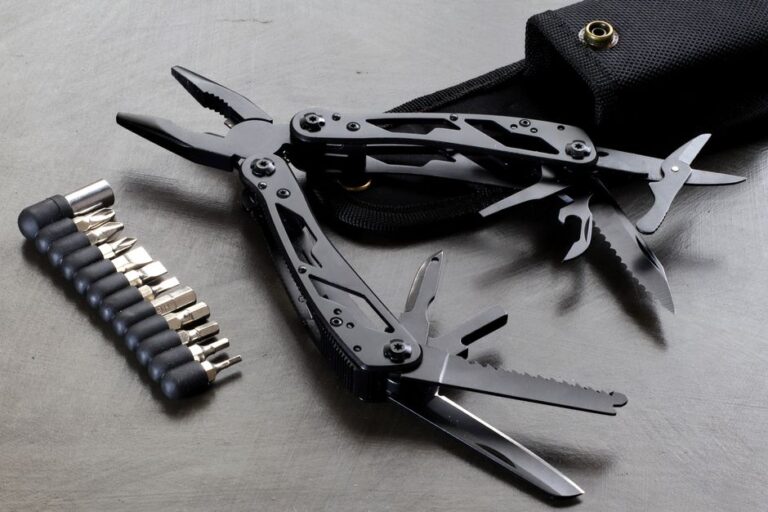
The Gerber Suspension-NXT represents the sweet spot for survivalists seeking comprehensive functionality without excessive bulk or cost. This fifteen-function multi tool includes needle nose pliers with integrated wire cutters, a partially serrated 2.25-inch blade, multiple screwdriver options, scissors, and both can and bottle openers, creating a tool kit that addresses the majority of field repair and improvisation needs. The butterfly opening design provides excellent stability during plier use, while the tool lock prevents accidental deployment of implements when the tool is closed. At 6.4 ounces and a closed length of 4.25 inches, the Suspension-NXT fits comfortably in a cargo pocket or attaches securely to your belt with the included pocket clip, making it genuinely practical for everyday carry rather than just emergency use.

Gerber Gear Suspension-NXT 15-in-1 EDC Multi tool with Pocket Knife, Needle Nose Pliers and Wire Stripper Tools, Gifts for Men, Survival and Camping Gear, Stainless Steel
15-IN-1 EDC MULTITOOL: The Gerber Suspension-NXT multi-tool features needle nose pliers, wire stripper, small/medium/large flathead drivers, 2 cross drivers, awl, nail file, scissors, tool lock, can opener, bottle opener, 2.25″ partially serrated blade • INNOVATIVE DESIGN: Made from durable stainless steel to withstand tough conditions, this EDC pocket knife multitool is designed for convenience with a butterfly opening and locking feature to protect the tools when not in use • OUTDOOR ESSENTIALS: The Suspension-NXT multitool is perfect for hunters, tradesmen, and everyday carry; an excellent addition to your camping essentials, toolbox, work wear, and fishing and hiking gear
Field testing reveals that the Suspension-NXT excels at the repetitive tasks that define actual survival situations rather than just handling occasional use. The needle nose pliers maintain their alignment through hundreds of gripping cycles, the blade holds a working edge through processing multiple pounds of kindling and cordage, and the scissors cut effectively even after exposure to moisture and debris. One experienced wilderness instructor reported using his Suspension-NXT to repair a torn tent fly, process fish for dinner, and adjust equipment screws all in a single afternoon, demonstrating the tool’s versatility in realistic outdoor scenarios. The partially serrated blade proves particularly valuable for cutting rope and webbing, materials that dull plain edges quickly but yield readily to serrations.
The Gerber Truss elevates the multi tool concept with seventeen functions housed in a refined package that maintains the compact dimensions survivalists require. Building on the Suspension platform, the Truss adds spring-loaded pliers that reduce hand fatigue during extended use, a feature that becomes significant when you’re making multiple repairs or processing materials over time. The slim profile, despite the additional functionality, means the Truss disappears in your pocket during daily carry while remaining instantly accessible when needed. The included sheath provides an alternative carry method that protects the tool and your other gear from the sharp edges and protruding implements that characterize multi tools.

Gerber Gear Truss 17-in-1 Multitool with Pocket Knife and Needle Nose Pliers – Gifts for Men, Compact EDC Gear, Black with Standard Sheath Black Standard Sheath
SURVIVAL TOOLS AND EDC GEAR: Made from durable stainless steel, this multitool stands the test of time and conveniently travels with you, featuring a tool lock and lanyard hole for secure everyday carry • SLIM DESIGN: Slim design with 4.25″ closed and 6.5″ open length, weighing just 8.4 oz, fits easily in a pocket or attaches with lanyard; butterfly opening and locking mechanism protects when not in use • EDC ESSENTIALS: Great for hunters, tradesmen, and everyday carry consumers; perfect addition to camping essentials, toolbox, work wear, and fishing and hiking gear
Comparing these models reveals distinct use-case advantages that should guide your selection. The Suspension-NXT offers exceptional value for survivalists building their first comprehensive kit or those who want a reliable backup tool without significant investment. Its straightforward design means fewer potential failure points and easier maintenance in the field. The Truss justifies its higher price point through refinements that enhance user experience during extended use, particularly the spring-loaded pliers and improved ergonomics that reduce hand strain. For survivalists who use their multi tool daily rather than just in emergencies, these comfort features translate to a tool you’ll actually carry consistently rather than leaving behind due to bulk or discomfort. Both models share Gerber’s commitment to field-proven reliability, meaning your choice depends more on budget and specific feature preferences than on fundamental quality differences.
Common Multi Tool Mistakes and How to Avoid Them
The most frequent mistake survivalists make with multi tools involves using them beyond their design limitations, particularly applying excessive force to small implements that weren’t engineered for heavy prying or leverage. Multi tool screwdrivers, for example, work excellently for their intended purpose of turning screws but fail catastrophically when used as pry bars or chisels, often breaking at the pivot point or bending permanently. A cautionary example comes from a backcountry guide who destroyed his multi tool’s can opener by attempting to pry open a paint can, a task that exceeded the tool’s design parameters and left him without a functional implement for opening his food supplies. Understanding the difference between versatile and indestructible helps you use your Gerber multi tool appropriately while preserving its functionality for genuine emergencies.
Maintenance neglect represents another critical failure point that compromises multi tool reliability when you need it most. Pivot points accumulate dirt, debris, and moisture that cause corrosion and increase friction, eventually making tools difficult to deploy or causing them to bind completely. Regular cleaning with a soft brush and light oil application keeps mechanisms functioning smoothly and prevents the gradual degradation that turns a reliable tool into a frustrating liability. Survivalists operating in marine environments or areas with high humidity should increase their maintenance frequency, as salt water and constant moisture accelerate corrosion even in stainless steel tools. A simple maintenance checklist includes inspecting locks for proper engagement, checking blade edges for damage or excessive wear, verifying that pliers maintain proper alignment, and ensuring all pivot points move freely without excessive play.
Carrying methods significantly impact both tool accessibility and longevity, yet many users give this aspect insufficient consideration. Loose pocket carry allows your multi tool to contact keys, coins, and other hard objects that damage edges and finishes while making the tool difficult to locate quickly when needed. The pocket clip included with Gerber models provides secure attachment that keeps your tool positioned consistently, but clip placement matters for both comfort and rapid access. Positioning the clip for tip-up carry in your dominant-hand pocket allows you to draw and open the tool in a single fluid motion, while tip-down carry in a cargo pocket might better suit users who prioritize security over speed. Sheath carry offers maximum protection and works well for tools attached to packs or belts, though it adds bulk and requires two-handed access that may prove impractical in certain situations.
Integrating Your Gerber Multi Tool Into Your Survival System
Building proficiency with your Gerber multi tool requires deliberate practice rather than assuming you’ll figure it out during an emergency. Start by spending fifteen minutes familiarizing yourself with each implement, learning how to deploy and lock each tool, and understanding the proper grip and technique for effective use. This initial investment pays immediate dividends by revealing which tools you can access and operate smoothly versus which require practice to use efficiently. Many survivalists discover that implements they thought would be intuitive actually require specific hand positions or deployment sequences to use effectively, knowledge that’s far better gained during practice than during a crisis when stress and time pressure compromise your problem-solving ability.
Your multi tool should integrate into your layered preparedness system rather than serving as a standalone solution. Position your Gerber as your secondary or tertiary cutting tool, backing up your primary fixed-blade knife while providing capabilities that knife lacks. This approach means you’re not depending solely on your multi tool for critical tasks like shelter building or fire preparation, but you have comprehensive backup capability if your primary tools fail or become lost. For quick-win implementation, attach your multi tool to your everyday carry setup immediately, making it as automatic as carrying your wallet or keys. This daily carry habit ensures your tool is present during unexpected situations while building the muscle memory that makes deployment instinctive rather than fumbling.
Long-term mastery involves expanding your multi tool skills through progressive challenges that simulate realistic survival scenarios. Practice tasks like repairing a torn pack strap using only your multi tool, processing kindling for fire starting, or performing field maintenance on your other gear. These exercises reveal both your tool’s capabilities and your own skill gaps, highlighting areas where additional practice or supplementary tools might be necessary. Document what works well and what proves frustrating, using this information to refine your techniques and potentially adjust your gear selection. Advanced users develop specialized techniques like using the pliers as an improvised vise by bracing them against a log, or combining multiple implements for tasks that exceed any single tool’s capability. This progression from basic familiarity to advanced proficiency transforms your Gerber multi tool from a collection of implements into a versatile problem-solving system that enhances your overall survival capability.
Frequently Asked Questions
Are Gerber multi tools as reliable as Leatherman for survival use?
Gerber multi tools offer comparable reliability to Leatherman for survival applications, with both brands producing field-proven tools that withstand demanding use. Gerber focuses on straightforward, durable designs with excellent value, while Leatherman often includes more specialized implements. For core survival functions like cutting, gripping, and basic repairs, quality Gerber models like the Suspension-NXT and Truss perform reliably in real-world conditions. Your choice should depend on specific feature requirements and budget rather than assuming one brand categorically outperforms the other.
How do I maintain my Gerber multi tool for long-term reliability?
Maintain your Gerber multi tool by cleaning pivot points regularly with a soft brush to remove debris, applying light machine oil to moving parts after exposure to moisture, and inspecting locks and edges for wear or damage. After use in harsh conditions like salt water or sandy environments, disassemble accessible components for thorough cleaning and lubrication. Store your tool in a dry location and periodically exercise all implements to prevent pivot points from binding. This routine maintenance prevents the gradual degradation that compromises reliability during critical use.
What’s the most important feature to look for in a survival multi tool?
Reliable locking mechanisms represent the most critical feature in a survival multi tool, as blade or tool failure during use can cause serious injuries in remote locations where medical help is distant. After locks, prioritize needle nose pliers with integrated wire cutters, as these tools handle the widest range of survival tasks from gear repair to food preparation. A partially serrated blade offers more versatility than plain edge for cutting rope and fibrous materials. Tool count matters less than the quality and reliability of essential implements you’ll actually use in survival situations.
Can a Gerber multi tool replace a fixed-blade knife for survival?
A Gerber multi tool should complement rather than replace a fixed-blade knife in your survival kit. While multi tool blades handle many cutting tasks effectively, they lack the strength and leverage of a full-tang fixed blade for heavy-duty applications like batoning wood, prying, or processing large game. The multi tool’s value lies in providing capabilities your knife cannot, such as pliers, screwdrivers, and scissors, creating a more comprehensive tool system. Carry both when possible, using your fixed blade for primary cutting tasks and your multi tool for precision work and repairs.
How much should I expect to spend on a quality Gerber multi tool?
Quality Gerber multi tools suitable for survival use typically range from thirty-five to sixty dollars, with models like the Suspension-NXT at the lower end and the Truss at the higher end of this spectrum. This price range delivers genuine reliability and durability without the premium pricing of some competitor brands. Avoid multi tools priced significantly below thirty dollars, as they typically use inferior materials and construction methods that compromise reliability. The investment in a quality Gerber tool pays for itself through years of dependable service and the confidence of having reliable equipment when you need it most.
What’s the difference between butterfly opening and one-hand opening multi tools?
Butterfly opening multi tools like the Gerber Suspension require both hands to deploy but provide excellent stability and leverage when using pliers, as the handles spread wide to create a comfortable grip. One-hand opening designs prioritize rapid blade deployment, allowing you to access your knife while holding something or maintaining your grip. For survival use, butterfly opening tools often prove more practical because plier-based tasks like gear repair and wire cutting occur more frequently than situations requiring one-handed blade deployment. Choose based on whether you prioritize plier functionality or rapid knife access in your typical use scenarios.
Selecting the right Gerber multi tool transforms your survival preparedness from theoretical to practical, giving you the capability to solve problems, repair gear, and adapt to unexpected situations in the field. The Suspension-NXT and Truss represent proven platforms that balance functionality, reliability, and value in ways that serve survivalists across experience levels and use cases. Your multi tool becomes truly valuable not through the number of implements it contains but through your proficiency in using those tools effectively under realistic conditions, a skill developed through practice and field experience rather than simply making a purchase.
Ready to add a reliable Gerber multi tool to your survival kit? Explore our detailed reviews and current pricing on the Suspension-NXT and Truss models to find the perfect match for your preparedness needs and start building the skills that turn tools into solutions.