Disclosure: This post contains affiliate links. If you click a link and make a purchase, we may earn a commission at no extra cost to you. We only recommend products we trust.
The desert presents one of nature’s most unforgiving environments, where temperatures can swing from scorching heat to freezing cold within hours, and water sources remain scarce or nonexistent for miles. Recent search and rescue data shows that inadequate preparation accounts for over seventy percent of desert emergencies, with dehydration and heat-related illnesses leading the statistics. Whether you’re planning a backcountry expedition through the Southwest, preparing for potential emergency scenarios, or simply want to expand your wilderness capabilities, understanding the right desert survival gear can mean the difference between a challenging experience and a life-threatening situation.
Why Desert Preparedness Matters More Than Ever
The popularity of desert recreation has surged dramatically in recent years, with national parks in arid regions reporting record visitation numbers. This increased foot traffic into remote desert areas has coincided with rising temperatures and more extreme weather patterns, creating a perfect storm of risk factors. Search and rescue teams across the Southwest report responding to hundreds of desert emergencies annually, with many incidents involving experienced outdoor enthusiasts who simply underestimated the environment’s demands or carried inadequate gear.
The stakes in desert survival are uniquely high because the margin for error is razor-thin. While you might survive several days without food in temperate climates, the desert’s extreme conditions compress your survival timeline dramatically. In temperatures exceeding one hundred degrees, an unprotected person can experience heat exhaustion within hours and potentially fatal heat stroke within a day. The body’s water loss accelerates exponentially in arid heat, with some individuals losing up to two gallons of fluid through perspiration and respiration during peak temperature hours. This physiological reality makes proper equipment not just recommended but absolutely critical.
Beyond recreational concerns, climate patterns are pushing more communities into desert-adjacent zones, and extreme weather events are becoming more frequent. Understanding desert survival gear has evolved from a niche outdoor skill to a practical preparedness consideration for millions of people. The equipment and knowledge you develop for desert environments also translates remarkably well to other emergency scenarios, making this expertise valuable far beyond wilderness adventures. Modern desert survival gear has also become more accessible and affordable, removing previous barriers that kept quality equipment out of reach for average outdoor enthusiasts.
Understanding Desert Environment Challenges and Core Equipment Needs
Desert survival fundamentally revolves around managing four critical challenges: extreme temperature fluctuation, water scarcity, intense solar radiation, and navigation through featureless terrain. Each challenge demands specific equipment solutions that work together as an integrated system. Understanding how these environmental factors interact helps you prioritize your gear selections and avoid the common mistake of over-packing items that provide minimal survival value while adding unnecessary weight.
The temperature challenge in deserts is often misunderstood because people focus solely on daytime heat while ignoring nighttime cold. Desert air lacks humidity, which means it cannot retain heat once the sun sets. Temperatures can plummet forty to fifty degrees within hours after sunset, creating hypothermia risks even in summer months. Your gear system must address both extremes through layering strategies and shelter solutions, much like the principles used in winter survival gear for cold weather protection. A quality wide-brimmed hat with neck protection shields you from solar radiation during the day, while a lightweight emergency blanket or bivy sack provides critical insulation at night. The key is selecting multi-functional items that serve dual purposes without doubling your pack weight.
Water management represents your most critical survival priority, and your equipment choices here directly impact your survival timeline. The human body requires a minimum of one gallon of water daily in moderate conditions, but desert heat can triple that requirement. Carrying sufficient water for extended trips becomes physically impossible, making water purification equipment absolutely essential. Modern filtration systems like the Sawyer Squeeze combine lightweight portability with reliable performance, removing bacteria, protozoa, and microplastics from questionable water sources. These systems weigh mere ounces but provide thousands of gallons of safe drinking water, making them indispensable for desert travel.
Solar radiation in desert environments is intensified by the lack of atmospheric moisture and the reflective properties of sand and rock surfaces. You’re essentially being hit by direct sunlight from above and reflected radiation from below, creating a double exposure effect. This demands comprehensive sun protection beyond just sunscreen. Loose-fitting, light-colored clothing made from breathable fabrics creates a protective barrier while allowing air circulation. Quality sunglasses with UV protection prevent eye damage and reduce squinting-induced fatigue. A shemagh or similar neck covering protects vulnerable skin while providing dust protection during windy conditions. These items work together to minimize your body’s stress response to solar exposure, conserving precious water and energy reserves.
Advanced Equipment Selection and Optimization Strategies
Once you understand the fundamentals, optimizing your desert survival kit involves selecting gear that maximizes functionality while minimizing weight and bulk. The concept of multi-use equipment becomes paramount in desert environments where every ounce matters. A large contractor-grade trash bag, for instance, serves as an emergency poncho, ground cloth, water collection system, and signaling device, all while weighing less than two ounces. This type of creative equipment selection separates experienced desert travelers from novices who carry single-purpose items that add weight without proportional value.
Advanced water procurement goes beyond simple filtration to include multiple backup systems. While a primary filter like the Sawyer Squeeze handles most situations, carrying chemical purification tablets as a backup provides redundancy if your filter fails or freezes.

Sawyer Squeeze Water Filtration System Two 32-Oz Standard Pouches Squeeze w/ 2 Pouches
Lightweight, easy to use portable water filter removes harmful bacteria, protozoa, cysts, sediment, And 100% of microplastics; Perfect for outdoor adventures, travel, or emergency preparedness • High-Performance 0.1 micron absolute inline filter fits in the palm of your hand and weighs just 2 ounces • 100% of squeeze units individually tested three times to performance standards by sawyer
Potable Aqua tablets weigh virtually nothing and can purify water when mechanical filtration isn’t possible.
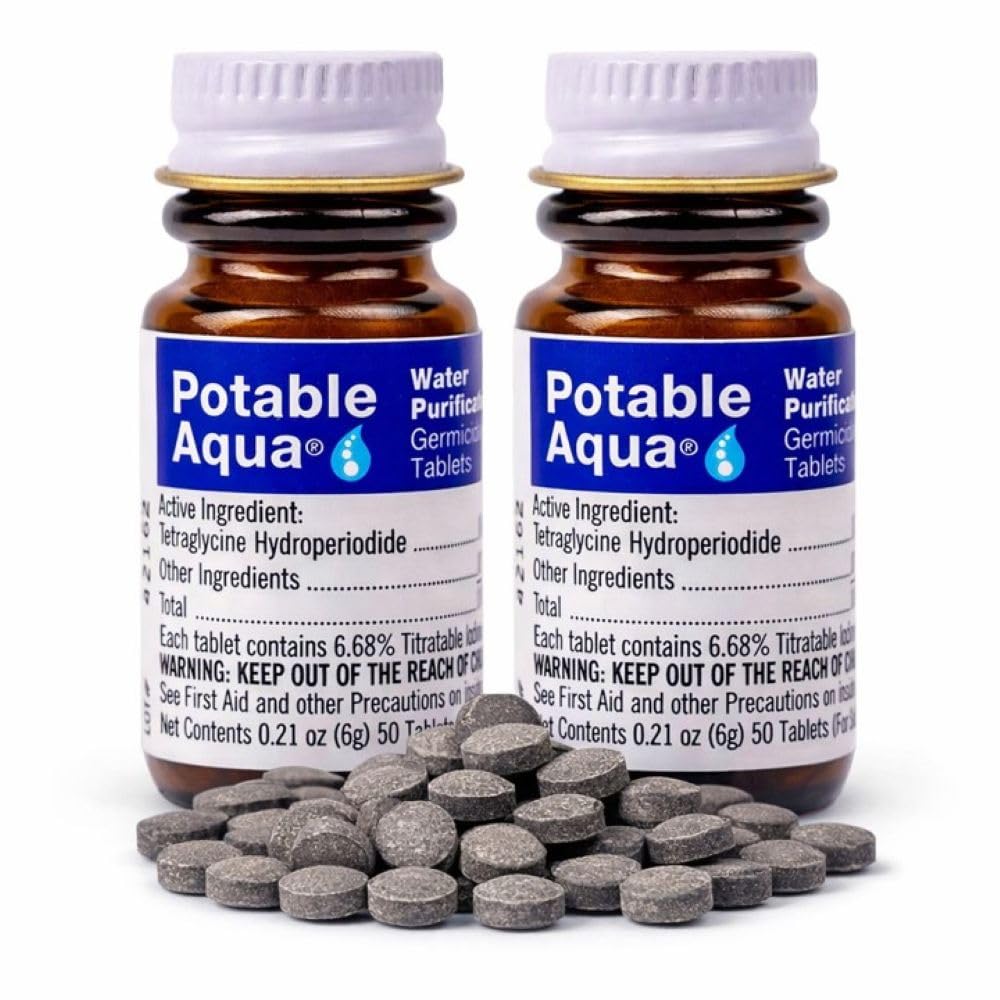
Potable Aqua Water Purification Tablets, Portable and Effective Water Purification Solution for Camping, Hiking, Emergencies, Natural Disasters and International Travel, Two 50ct Bottles, Blue 100 Tablets – Twin pack
TWO BOTTLES INCLUDED: Includes two bottles, each with 50 Potable Aqua Water Purification Tablets, offering an effective solution for emergency water treatment in camping, hiking, and natural disasters. • EFFECTIVE WATER PURIFICATION: These water purifier tablets are perfect for camping, hiking, travel, and emergency preparedness; they offer a reliable way to purify water, ensuring safe hydration in any circumstance • MAKES SOURCES SAFE TO DRINK: Water treatment tablets make water bacteriologically suitable to drink, even in challenging or emergency water situations, ensuring safe hydration when you need it most
Additionally, a metal container allows you to boil water as a final purification method, and it doubles as a cooking vessel. This layered approach to water safety ensures you’re never dependent on a single system that could fail at a critical moment.
Navigation equipment in deserts requires special consideration because the featureless terrain and lack of landmarks make traditional wayfinding extremely challenging. A quality compass paired with detailed topographic maps forms your primary navigation system, but GPS devices provide valuable backup and precise location data for emergency communications. The key is understanding that electronic devices can fail due to heat, battery depletion, or damage, so you must maintain proficiency with traditional navigation tools. Carrying a small signal mirror adds minimal weight while providing a powerful emergency signaling capability visible for miles in clear desert air. One experienced desert hiker was located by search and rescue after using a signal mirror to reflect sunlight toward a distant aircraft, demonstrating the life-saving potential of this simple tool.
Shelter systems for desert environments must balance sun protection, ventilation, and thermal regulation. A lightweight tarp with reflective coating can be configured multiple ways to create shade during the day and retain heat at night. Pairing this with trekking poles or collapsible tent poles gives you a versatile shelter system that adapts to changing conditions. Some advanced desert travelers carry both a tarp and an ultralight bivy sack, using the tarp for daytime shade and the bivy for nighttime warmth. This combination weighs less than many single-wall tents while providing superior adaptability. The investment in quality shelter components pays dividends in comfort and safety across multiple trips.
Common Equipment Failures and Risk Mitigation Protocols
The most dangerous equipment mistakes in desert survival stem from overconfidence in technology and underestimation of environmental severity. Recent rescue reports detail numerous cases where hikers relied solely on smartphone navigation apps without backup maps or compasses, only to find themselves disoriented when batteries died or devices overheated. One particularly sobering incident involved a group that carried insufficient water because they planned to refill at a spring marked on their GPS, but the spring had dried up seasonally. They had no water purification equipment and no backup plan, resulting in a costly helicopter rescue. These scenarios underscore the critical importance of redundancy in essential systems and maintaining traditional skills alongside modern technology.
Heat-related equipment failures represent another significant risk category that catches people unprepared. Adhesives in first aid supplies can melt, rendering bandages useless. Plastic water bottles can develop stress cracks from temperature cycling. Electronics overheat and shut down. Batteries drain faster in extreme heat. Your risk management checklist should include: storing critical items in insulated pouches, carrying backup batteries in cool locations, testing all equipment in hot conditions before depending on it, maintaining redundant systems for water, navigation, and communication, and regularly inspecting gear for heat damage. These simple protocols prevent equipment failures from cascading into survival emergencies.
Perhaps the most overlooked risk involves the psychological impact of desert environments and how it affects decision-making. The combination of heat stress, dehydration, and disorientation can impair judgment long before physical symptoms become obvious. Data from desert rescue operations shows that many victims made poor decisions in the hours before their situations became critical, such as abandoning vehicles to walk for help or discarding gear to reduce weight. Your equipment kit should include items that support clear thinking and rational decision-making: adequate sun protection to prevent heat stress, sufficient water to maintain hydration, emergency shelter to provide rest and recovery, and signaling devices to call for help before situations deteriorate. The best survival gear in the world cannot compensate for impaired judgment, making prevention of cognitive decline a top priority.
Building Your Desert Survival Kit: A Phased Approach
Developing a comprehensive desert survival kit doesn’t require purchasing everything at once or spending thousands of dollars on premium gear. A phased approach allows you to build capability over time while gaining practical experience with each equipment category. Start with the immediate essentials that address your most critical survival needs: water carrying capacity, sun protection, and emergency signaling. A quality hydration system or water bottles, a wide-brimmed hat, lightweight long-sleeve shirt, and a signal mirror form your foundation. These items cost less than one hundred dollars total but dramatically improve your safety margin on any desert outing. Use these basics on day hikes and short trips to understand their performance and identify gaps in your system.
Phase two focuses on expanding your water security and shelter capabilities, typically implemented over the following few months as budget allows. Add a reliable water filtration system, chemical purification backup, and a metal container for boiling. Invest in a quality tarp or emergency shelter system and practice setting it up in various configurations. This phase also includes upgrading your navigation tools with detailed maps of your intended areas and a quality compass. These additions transform your kit from basic day-trip gear to equipment capable of supporting overnight emergencies. The timeline for this phase depends on your trip frequency and budget, but spreading purchases over several months allows you to research options thoroughly and make informed decisions rather than impulse purchases.
The final phase involves refining your system with advanced items and personalized modifications based on your experience and specific needs. This might include upgrading to lighter-weight versions of existing gear, adding specialized items for your particular desert region, or incorporating advanced navigation electronics. Many desert survival principles overlap with military survival gear concepts, particularly in terms of redundancy, durability, and multi-functionality. This phase is ongoing and evolves as your skills develop and new equipment becomes available. The key insight is that quick wins come from addressing fundamental needs first, while long-term capability builds through experience and gradual system optimization. Many experienced desert travelers continue refining their kits for years, constantly testing new approaches and eliminating redundancies. Your desert survival gear should be viewed as a dynamic system that grows with your expertise rather than a static checklist to complete and forget, much like building a comprehensive survival gear kit for broader preparedness needs or a comprehensive EDC survival kit for everyday preparedness, and understanding paracord survival uses can add versatile cordage solutions to your desert kit.