Disclosure: This post contains affiliate links. If you click a link and make a purchase, we may earn a commission at no extra cost to you. We only recommend products we trust.
When you’re miles from the nearest hospital with a twisted ankle or a deep laceration, your first aid kit transforms from optional gear into a critical lifeline. Yet most outdoor enthusiasts carry either inadequate pre-made kits designed for minor home accidents or overweight medical bags that never leave the car. The difference between a well-planned first aid kit and a poorly assembled one can mean the difference between managing an emergency confidently and watching a minor injury escalate into a life-threatening situation.
Why Proper First Aid Preparation Matters More Than Ever
Outdoor recreation participation has surged dramatically in recent years, with millions of new hikers, campers, and backpackers hitting the trails annually. This influx of outdoor enthusiasts has corresponded with a measurable increase in wilderness-related injuries and medical emergencies. Search and rescue organizations report that inadequate first aid preparation ranks among the top three factors that turn manageable incidents into full-scale evacuations. The financial impact alone is staggering—wilderness medical evacuations can cost between five thousand and fifty thousand dollars, depending on location and complexity, with many insurance policies providing limited or no coverage for backcountry incidents.
The stakes extend beyond financial considerations into the realm of survival itself. Medical research consistently demonstrates that the first hour following a traumatic injury—often called the “golden hour”—is critical for outcomes. In wilderness settings where professional medical help may be hours or even days away, your first aid kit and your knowledge of how to use it become the primary determinants of whether an injury remains manageable or becomes catastrophic. A comprehensive study of wilderness fatalities revealed that approximately thirty percent of deaths could have been prevented with proper first aid intervention and appropriate medical supplies on hand.
Modern outdoor first aid has evolved significantly beyond the basic bandage-and-antiseptic approach of previous generations. Today’s wilderness medicine protocols recognize that outdoor environments present unique challenges that standard home first aid kits simply cannot address. Temperature extremes, extended exposure times, limited evacuation options, and the physical demands of self-rescue all require specialized equipment and techniques. The gap between what most people carry and what they actually need in a wilderness emergency represents a critical vulnerability that every outdoor adventurer must address before heading into remote areas.
Understanding the Core Categories of Wilderness First Aid
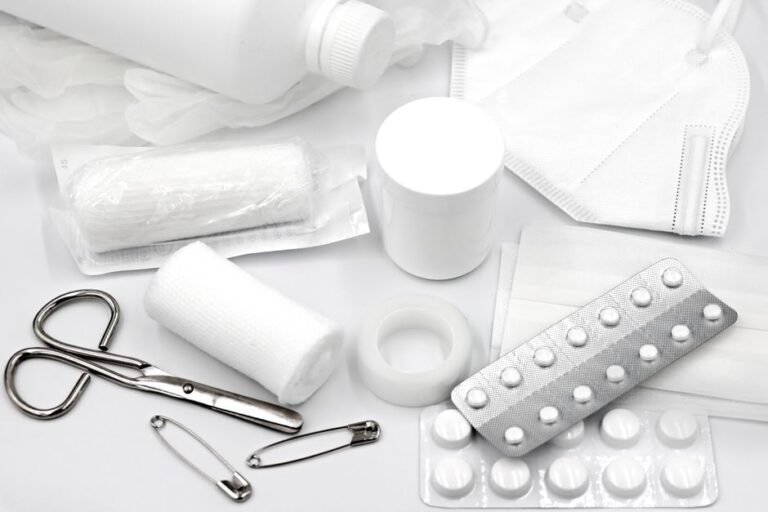
Building an effective outdoor first aid kit requires understanding the fundamental categories of medical supplies and how they address specific wilderness scenarios. The foundation begins with wound management supplies, which handle everything from minor scrapes to serious lacerations that require field treatment before evacuation. This category includes various sizes of sterile gauze pads, adhesive bandages in multiple dimensions, medical tape that maintains adhesion despite moisture and dirt, and specialized wound closure strips for deeper cuts. Unlike home first aid where you might rinse a wound under a faucet, wilderness wound care demands supplies that work with limited water, maintain sterility in dusty conditions, and provide secure coverage during continued physical activity.
The second critical category encompasses trauma and musculoskeletal injury supplies, addressing the sprains, strains, fractures, and dislocations that represent the most common serious wilderness injuries. This includes elastic bandages for compression and support, triangular bandages that serve multiple purposes from slings to improvised splints, and specialized materials like SAM splints that provide rigid stabilization while remaining lightweight and packable. Understanding the difference between these items is essential—an elastic bandage provides compression and support for a sprained ankle, while a rigid splint immobilizes a suspected fracture to prevent further damage during evacuation. Many outdoor enthusiasts mistakenly believe that duct tape and sticks can substitute for proper splinting materials, but this approach often leads to inadequate immobilization and increased injury severity.
Medication management forms the third pillar of wilderness first aid, requiring careful selection based on trip duration, group size, and individual medical histories. Pain management medications like ibuprofen and acetaminophen serve dual purposes—reducing discomfort and controlling inflammation that can impede mobility. Antihistamines address allergic reactions ranging from plant contact dermatitis to insect stings, while anti-diarrheal medications prevent the dangerous dehydration that can result from gastrointestinal issues in the backcountry. The key distinction between home and wilderness medication kits lies in redundancy and quantity—you need enough supplies to manage conditions for multiple days until evacuation becomes possible, not just until you can visit a pharmacy.
The fourth category covers environmental injury prevention and treatment, addressing conditions unique to outdoor exposure. This includes supplies for blister prevention and treatment, which can transform a minor hot spot into a trip-ending injury if not addressed immediately. Sunscreen and lip balm with high SPF ratings prevent the painful burns that reduce your ability to continue safely. Insect repellent and after-bite treatments manage the disease vectors and irritation that can compromise your health in the wilderness. Cold and heat injury supplies—including chemical heat packs, emergency blankets, and electrolyte replacement—address the temperature-related emergencies that can develop rapidly in exposed environments. These items often get overlooked in favor of more dramatic trauma supplies, yet they prevent the majority of actual wilderness medical problems.
Specialized Equipment and Organization Systems That Work
Once you understand the fundamental categories, the next level involves selecting specific tools and organizational systems that maximize your kit’s effectiveness while minimizing weight and bulk. Medical scissors with blunt tips and the ability to cut through clothing represent an essential tool that many pre-made kits either omit or include in inadequate quality. Quality tweezers with precise tips remove splinters, ticks, and debris from wounds far more effectively than improvised alternatives. A digital thermometer helps assess whether someone is developing hypothermia or a dangerous fever, providing objective data that guides treatment decisions. These tools might seem basic, but their quality directly impacts your ability to provide effective care under challenging conditions.
Advanced wound management supplies separate adequate kits from exceptional ones. Irrigation syringes allow you to clean wounds thoroughly with limited water supplies, removing debris that could cause infection. Hemostatic gauze or clotting agents help control severe bleeding that standard pressure and elevation cannot manage alone. Liquid bandage creates a waterproof seal over small wounds, allowing continued activity without constant bandage changes. Moleskin and specialized blister treatments like hydrocolloid dressings prevent and treat the friction injuries that end more trips than any other single cause. The Swiss Safe 2-in-1 First Aid Kit exemplifies this comprehensive approach, including 348 pieces of medical supplies organized in a durable hard case that protects contents from the crushing and moisture that destroys poorly packaged kits.

Swiss Safe 2-in-1 First Aid Kit for Car, Travel & Home, Businesses – Bonus Mini Kit for Medical Emergency Aid, Survival, Camping – FSA & HSA Eligible – 348 Pcs, Large Hardcase FAK Large FAK
Heavy Duty Hard Case: Your reliable guardian! Its robust, impact-absorbing hard case ensures unwavering security for outdoor escapades, road trips, camping, hiking, or at home. Perfect for cuts & scrapes as you embark on your next carefree journey! • Comprehensive Emergency Kit: Boasts 348 pcs of medical supplies, making it one of the most comprehensive sets available. Contains items to treat a wide variety of injuries & emergencies, ensuring you have all necessary tools & items at your disposal • Compact & Easy to Store: The organized interior makes it easy to find exactly what you need in any emergency situation. It fits into any storage space or can be tucked away in a bag, making it perfect for campers, backpackers, hikers, & families
Organization systems determine whether you can access critical supplies quickly during an emergency or waste precious minutes searching through a jumbled bag. Color-coded stuff sacks or clear zippered pouches allow you to separate supplies by category—wound care in one section, medications in another, trauma supplies in a third. Labeling each section clearly means that even someone unfamiliar with your kit can find what they need if you’re the one injured. Some experienced wilderness travelers use a “frequency of use” organization system, keeping items like blister treatments and pain medications in an easily accessible outer pocket while storing less common supplies like splinting materials deeper in the kit. The key is creating a system that makes sense to you and anyone else who might need to use your kit in an emergency.
Consider a real-world example that illustrates the value of proper organization and specialized supplies. During a multi-day backpacking trip in the mountains, a hiker slipped on wet rocks and sustained a deep laceration on her forearm. Her companion’s well-organized first aid kit allowed him to quickly locate irrigation supplies to clean the wound, hemostatic gauze to control bleeding, wound closure strips to approximate the edges, and sterile dressings to protect the injury. The color-coded organization meant he found everything within seconds rather than minutes, and the quality of the supplies meant the wound remained clean and stable during the two-day hike out to the trailhead. This scenario demonstrates how the right tools, properly organized, transform a potentially serious situation into a manageable one.
Critical Errors That Compromise Wilderness Medical Preparedness
The most dangerous mistake outdoor enthusiasts make is assuming that a basic pre-made first aid kit designed for home use will suffice for wilderness adventures. These kits typically contain an abundance of small adhesive bandages suitable for paper cuts but lack the gauze, tape, and wound management supplies needed for the larger injuries common in outdoor environments. They often include minimal pain medication—perhaps a few individual packets—when wilderness scenarios may require managing pain for multiple people over several days. The packaging in these kits frequently fails under the moisture, temperature extremes, and physical stress of backcountry travel, leaving you with damaged supplies when you need them most. Research into wilderness emergency responses reveals that inadequate first aid supplies contribute to approximately forty percent of cases where minor injuries escalate into major problems requiring professional rescue.
Another critical error involves failing to customize your kit for specific environments, trip durations, and group compositions. A day hike in a desert environment requires different supplies than a week-long backpacking trip in alpine terrain. Desert travelers need extra supplies for heat-related illness, increased sun protection, and treatments for dehydration, while alpine adventurers require more robust cold injury prevention and treatment supplies. Group size dramatically affects the quantity of supplies needed—a kit adequate for a solo hiker becomes woefully insufficient for a group of six. Many outdoor enthusiasts also neglect to account for pre-existing medical conditions within their group, failing to include prescription medications, EpiPens for known allergies, or specialized supplies for conditions like diabetes.
The third major pitfall is treating your first aid kit as a static item rather than a dynamic system requiring regular maintenance and updates. Medications expire, adhesives lose their stickiness, and supplies get used without replacement. A comprehensive first aid kit checklist should include quarterly inspections where you verify that all medications remain within their expiration dates, check that packaging remains intact and waterproof, confirm that quantities match your planned trips, and replace any items that show signs of degradation. After every trip, immediately restock any supplies you used rather than waiting until you’re packing for the next adventure. This disciplined approach ensures your kit remains ready when you need it most, rather than discovering critical shortages during an emergency.
Building Your Complete Wilderness First Aid System
Creating an effective wilderness first aid kit follows a phased approach that balances immediate needs with long-term preparedness goals. Start with the quick wins—items you can acquire immediately that provide the greatest safety improvement. Begin by purchasing a quality base kit like the Swiss Safe 2-in-1 system that provides comprehensive supplies in a durable, organized package. This gives you a solid foundation while you learn what additional customization your specific needs require. Simultaneously, invest in a wilderness first aid course that teaches you how to actually use the supplies you’re carrying. The best-stocked first aid kit in the world provides zero value if you don’t know how to apply a pressure dressing, improvise a splint, or recognize the signs of shock. These courses typically run between fifty and two hundred dollars and represent the single most valuable investment you can make in wilderness safety.
The intermediate phase involves customizing your base kit based on your specific outdoor activities and environments. Spend time on several trips evaluating what supplies you use most frequently, what situations you encounter, and what gaps exist in your current kit. Add specialized items like trekking pole splints if you frequently hike in areas with difficult evacuation routes, or include extra blister prevention supplies if you tend to develop hot spots. This phase also includes developing your organizational system—experimenting with different packing methods until you find an arrangement that allows quick access while protecting supplies from damage. Most outdoor enthusiasts find that this customization phase takes three to six months of active use and adjustment.
The long-term maintenance phase establishes the habits and systems that keep your first aid preparedness at peak effectiveness indefinitely. Create a digital inventory of your kit contents with expiration dates, and set calendar reminders for quarterly inspections. Develop a post-trip protocol where you immediately document what supplies you used and restock them before your next adventure. Consider building multiple kits for different purposes—a comprehensive kit for extended backpacking trips, a lighter day-hiking kit, and a vehicle-based kit for car camping and road trips. This tiered approach ensures you always have appropriate medical supplies without carrying unnecessary weight on shorter outings, and it complements your EDC survival kit, your wilderness survival kit, and your survival gear kit for comprehensive preparedness. The investment in proper first aid preparation pays dividends not just in emergency situations but in the confidence and peace of mind that allows you to fully enjoy your outdoor adventures knowing you’re prepared for whatever challenges arise.
Frequently Asked Questions
What are the absolute essential items every outdoor first aid kit must include?
Every wilderness first aid kit must include wound management supplies (various sizes of sterile gauze, adhesive bandages, medical tape, wound closure strips), trauma supplies (elastic bandages, triangular bandages, splinting materials), medications (pain relievers, antihistamines, anti-diarrheal), tools (scissors, tweezers, thermometer), and environmental protection items (blister treatments, sunscreen, insect repellent). These core categories address the most common wilderness medical emergencies.
How is a wilderness first aid kit different from a home first aid kit?
Wilderness first aid kits require more robust supplies because professional medical help may be hours or days away rather than minutes. They need larger quantities of medications, more comprehensive wound care supplies, specialized items for environmental injuries, and durable waterproof packaging that withstands backcountry conditions. Home kits focus on minor injuries with quick access to professional care, while wilderness kits